

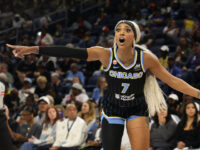
DiJonai Carrington’s quick retreat from her “white privilege” remarks is less a mea culpa than a reminder that public figures still fear the economic consequences of alienating the very consumers who keep leagues, brands, and media companies afloat. When the WNBA forward’s comments drew swift pushback from fans and sponsors alike, she pivoted to a softer framing about “learning and growing,” a telltale sign that the market—not moral suasion—remains the ultimate regulator of speech. For Second Amendment advocates, the episode underscores a broader truth: cultural institutions that once dismissed gun owners as fringe now quietly recalibrate once boycotts, declining ratings, or lost endorsements hit their bottom lines.
The same dynamic is playing out in the firearms space. Legacy media outlets that spent years framing lawful gun ownership as suspect have watched both viewership and advertising revenue migrate to outlets that treat the right to keep and bear arms as a normal extension of American liberty. Meanwhile, manufacturers and training organizations continue to expand their customer base by focusing on practical utility—home defense, sport, and the fundamental human impulse for self-reliance—rather than identity-based guilt narratives. Carrington’s climb-down illustrates that performative language carries real costs when consumers simply choose alternatives.
Ultimately, the episode reinforces why the 2A community’s long-game strategy of building parallel institutions, supporting friendly politicians, and voting with dollars has proven more durable than chasing cultural approval. As long as citizens retain the tools and legal space to defend themselves, the marketplace of ideas will continue to punish those who treat constitutional rights as optional privileges granted by elites.


