

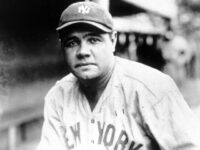
Cubs outfielder Pete Crow-Armstrong’s tongue-in-cheek claim that Babe Ruth “never existed” is the kind of playful nonsense that only surfaces when a young star is bored on a cross-country flight, yet it lands like a fastball to the ribs of baseball’s origin story. Ruth’s larger-than-life persona—home-run king, cultural icon, and the man who turned a pitcher’s game into a slugger’s paradise—has always been the sport’s first line of defense against revisionists who insist the past was smaller, safer, and less American. When a modern athlete jokes that the Sultan of Swat was a myth, it underscores how fragile institutional memory can become once institutions themselves start editing history to fit contemporary narratives.
For the 2A community the parallel is obvious: if the cultural establishment can memory-hole the most statistically dominant figure in a sport’s history, it can just as easily memory-hole the plain-language guarantee in the Second Amendment. The same academic and media circles that now treat Ruth as optional folklore are the ones that label the right to keep and bear arms an 18th-century anachronism. Crow-Armstrong’s quip is therefore a reminder that facts require constant, vocal defense; otherwise they drift into the realm of “controversial opinion” where rights go to die.
The takeaway is straightforward—whether the topic is a baseball legend or a constitutional cornerstone, silence is the oxygen that lets revisionism breathe. The 2A community’s job is to keep the receipts, repeat the record, and refuse to let anyone, athlete or activist, air-brush inconvenient history into non-existence.


