

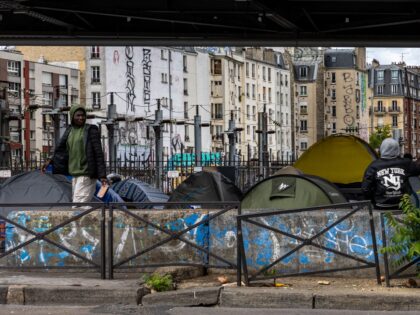
France’s asylum bill has now crossed the €2 billion mark, a figure that should make every taxpayer on both sides of the Atlantic pause. What began as a humanitarian program has ballooned into a permanent, multi-billion-euro industry that absorbs housing, legal aid, medical care, and administrative overhead while delivering uneven results on integration and security. The Senate report quietly confirms what many French citizens already sense on the street: the system is no longer a temporary safety net but a structural feature of the national budget, one that competes directly with defense, infrastructure, and law-enforcement spending.
For the 2A community the lesson is straightforward. When governments stretch finite resources across open-ended social commitments, the first programs to feel the squeeze are those that protect individual rights and public safety. France’s tightening of carry laws, its expanding “sensitive urban zone” gun bans, and its reluctance to arm law-abiding citizens all coincide with the same fiscal pressure now quantified at €2 billion. The pattern is familiar: generous asylum policies create downstream demand for more policing and social services, which in turn justifies further restrictions on the very tools citizens might use to defend themselves. In short, the cost of one policy choice is being paid, in part, by the erosion of another fundamental liberty.
The takeaway for American gun owners is not isolationism but vigilance over trade-offs. Every euro or dollar diverted to sustain an asylum apparatus that shows weak vetting and high recidivism rates is a euro or dollar not available for training grants, range infrastructure, or court defenses of the Second Amendment. France’s numbers are a warning label: once the state assumes unlimited liability for global migration flows, the bill eventually arrives at the door of every other constitutional protection—including the right to keep and bear arms.


