

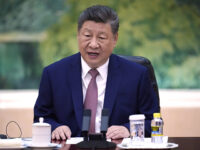
China’s decision to slap sanctions on U.S. firms that dared to mention forced labor in Xinjiang is the latest reminder that the Chinese Communist Party will weaponize its market whenever its atrocities are exposed. By freezing assets and banning executives from entering the country, Beijing is telling American companies that profits must come before human rights—and that any firm willing to speak up will pay a steep price. For the firearms community, the move is a cautionary tale: the same authoritarian reflex that punishes criticism of slave labor can just as easily be turned against American gun makers, importers, or even domestic retailers that source components overseas.
The deeper implication is strategic. When supply chains run through a regime that treats dissent as economic treason, every link becomes a potential choke point. Optics matter, too; if the optics of “cheap Chinese parts” start to include concentration-camp labor, the optics for the 2A movement become toxic. That gives domestic manufacturers and allied legislators fresh ammunition to push “Made in America” incentives, tariff walls, and outright bans on PRC-sourced firearms components—policies that simultaneously protect human rights and harden the defense industrial base against coercion.
In short, Beijing’s tantrum isn’t just about Xinjiang; it’s a stress-test of whether free nations will tolerate economic blackmail in exchange for marginal cost savings. For Second Amendment advocates, the answer should be obvious: every dollar spent on CCP-tainted supply chains is leverage the Party can yank away the moment American values become inconvenient. The responsible move is to onshore production, diversify sourcing, and treat supply-chain security as a core constitutional issue rather than a mere business decision.


