

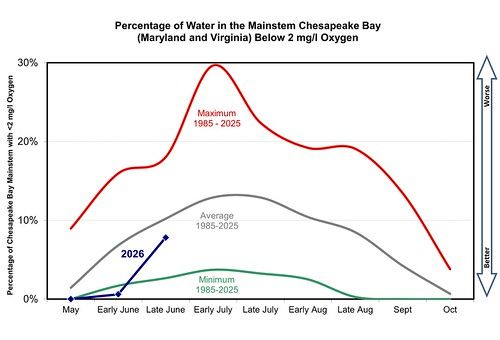
The Chesapeake Bay’s record-low hypoxia this spring isn’t just a win for striped bass and blue crabs—it’s a quiet reminder that when government data collection stays honest and transparent, the entire ecosystem benefits, including the rural waterfront communities that still rely on both fishing rods and rifles. Drought-driven nutrient reductions cut the dead-zone volume to its smallest early-season footprint on record, proving that natural variability and responsible land management can outperform the alarmist models that usually dominate headlines. For Second Amendment advocates, the takeaway is straightforward: the same agencies that track dissolved oxygen also track firearms purchases and hunting tags; when those agencies operate with integrity instead of ideology, the data they produce supports rather than restricts the outdoor traditions that keep millions of Americans connected to the land and water.
That connection matters because the same drought conditions shrinking the hypoxic zone are also drying out fields and forests where many Bay-region sportsmen hunt deer, turkey, and waterfowl. Lower runoff means clearer streams for anglers and fewer excuses for new access restrictions or “climate emergency” closures that could limit both fishing and shooting opportunities. The Chesapeake Bay Program’s own forecast—hypoxia 31 percent below average—shows that adaptive, science-based management works better than top-down edicts; the 2A community has long argued the same principle applies to gun policy, where real-world outcomes should trump bureaucratic projections. When the data line up this cleanly, it undercuts the narrative that only more regulation can save the environment and instead highlights how informed, self-reliant citizens who value both clean water and constitutional rights are the best stewards of both.


