

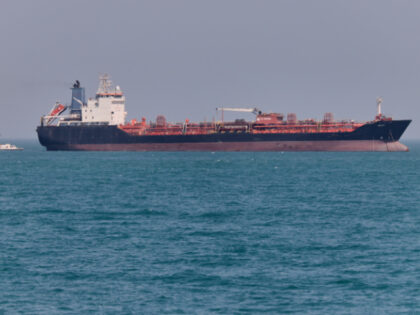
The latest CENTCOM strikes underscore a hard truth the 2A community has long understood: when governments cannot—or will not—project credible force, adversaries test the limits. A single drone strike on a Panama-flagged tanker near the Strait of Hormuz was enough to trigger another round of American retaliation, reminding everyone that energy routes, global commerce, and even the price at the pump hinge on the credible threat of overwhelming response. For gun owners, the parallel is obvious: just as a visible, capable deterrent keeps shipping lanes open, an armed citizenry keeps streets and homes safer when police response times stretch into minutes or hours.
What makes this episode especially relevant is how quickly the situation escalated from one unmanned aircraft to coordinated strikes on Iranian targets. That speed of action only works because the United States maintains both the platforms and the political will to use them. The same principle applies domestically—shall-issue carry laws, constitutional carry expansions, and the proliferation of red-dot-equipped defensive pistols have turned ordinary citizens into the first line of defense in an era when active-shooter events and civil unrest can outpace 911. The lesson is not lost on those watching Tehran probe for weakness: strength that is visible and exercised tends to be respected.
Looking ahead, any sustained disruption in the Strait of Hormuz will ripple straight into ammunition and component costs, since primers, powders, and specialty steels often trace back to the same global supply chains that move oil. The 2A community has already seen this movie during pandemic-era shortages; the prudent response is to treat training, maintenance, and modest stockpiling as routine preparedness rather than panic buying. In short, whether the arena is the Persian Gulf or your own driveway, the principle remains unchanged—credible, exercised capability is still the best insurance policy.


