

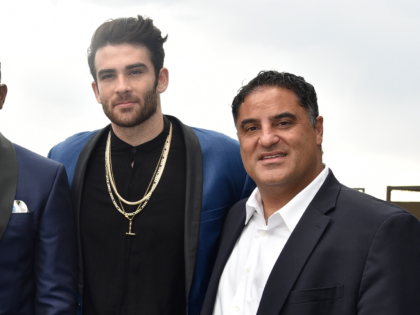
The UK’s decision to bar Cenk Uygur and Hasan Piker is more than a visa spat; it’s a blunt reminder that governments already possess sweeping, opaque tools to decide who may speak inside their borders. Both men built careers on platforms that routinely paint the Second Amendment as a uniquely American psychosis, yet the same authorities that once welcomed their anti-gun lectures have now judged their broader rhetoric too toxic for entry. That reversal should give pause to any American who assumes the right to keep and bear arms is insulated from the same discretionary power that can suddenly label a foreign commentator “not conducive to the public good.”
For the 2A community the episode underscores a larger pattern: once speech is treated as a privilege rather than a right, every other enumerated protection becomes negotiable. Britain’s vague public-good standard has already been used against pro-firearms voices; extending it to left-wing provocateurs does not expand liberty, it simply proves the mechanism exists and can be aimed in any direction. American gun owners who cheer the ban because they dislike the targets are playing a short game; the precedent travels, and the next visa denial or social-media de-platforming could just as easily target a domestic firearms instructor whose views fall outside the Overton window of the moment.
The practical takeaway is that rights must be defended at their root—speech, due process, and the ability to defend oneself—rather than issue by issue. When foreign governments normalize the idea that certain ideas disqualify a person from physical presence, they normalize the same logic for restricting the tools that make self-defense possible. The Uygur-Piker episode is therefore not an isolated culture-war victory; it is another data point showing why an armed, informed citizenry must remain vigilant against any expansion of discretionary state power over expression or movement.


