

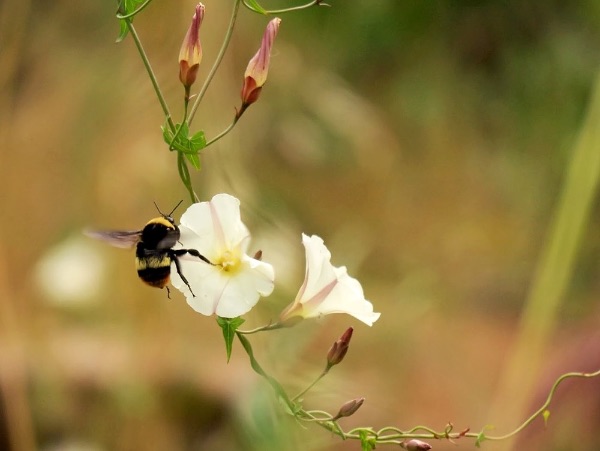
California’s decision to list four bumble-bee species as CESA candidates is being sold as a narrow conservation measure, but the fine print reveals a familiar pattern: once a species is on the list, every acre of land, every construction permit, and every agricultural practice becomes subject to new layers of review, mitigation, and potential litigation. The CDFW guidance document itself admits that “take” can occur through seemingly ordinary activities—grazing, mowing, even the placement of a single fence post—so the practical effect is a de-facto land-use veto that can be triggered by the presence of a single bee sighting. For Second Amendment supporters who also happen to be ranchers, farmers, or rural landowners, this is more than an entomology footnote; it is another regulatory ratchet that can be used to restrict the very property rights that make responsible firearm ownership and self-sufficiency possible.
The timing is worth noting. While Sacramento moves quickly to shield insects, the same agencies continue to drag their feet on shall-issue permitting reforms and continue to treat millions of acres of federal and state land as presumptively off-limits for recreational shooting. The result is a two-track system: pollinators receive presumptive protection, while the human right to keep and bear arms receives presumptive suspicion. If the state can declare four square inches of ground around a bumble-bee nest a regulated “habitat,” it is only a matter of bureaucratic creativity before similar logic is applied to back-yard ranges, private shooting pits, or the trails that lead to them.
The deeper implication is philosophical as much as practical. A regulatory regime that elevates insect habitat above human flourishing will inevitably collide with the tools and traditions rural Californians rely on to defend livestock, crops, and personal safety. The 2A community should treat the bumble-bee listing not as an isolated wildlife story, but as another data point in a larger campaign to normalize the idea that land use—and therefore the ability to train, hunt, and protect—is a revocable privilege rather than a constitutionally protected liberty.


