

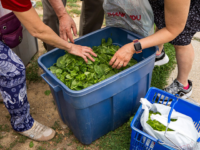
The CDC’s announcement of more than 11,000 cyclosporiasis cases spanning most states is a textbook reminder that public-health infrastructure can be stretched thin by a single, hard-to-trace parasite. Cyclospora cayetanensis rides in on imported produce and contaminated water, and when the numbers climb this high it usually signals gaps in inspection, traceability, and rapid-response capacity. For the 2A community the lesson is straightforward: the same agencies that struggle to contain a microscopic invader are the ones routinely floated as the sole guarantors of public safety; an armed, prepared citizenry remains the only scalable backstop when centralized systems falter.
Beyond the immediate outbreak, the data underscore how quickly localized supply-chain failures can cascade into national health events. States that already face rural hospital closures and stretched law-enforcement resources now confront an added layer of illness that can sideline workers, overwhelm ERs, and strain grocery logistics. Firearm owners who maintain food-storage plans, medical kits, and neighborhood mutual-aid networks are effectively hedging against exactly these disruptions—whether the trigger is a parasite, a cyber-attack on the power grid, or any other low-probability, high-impact scenario the CDC cannot fully neutralize.
Finally, the cyclosporiasis spike arrives at a moment when federal agencies continue to push narratives that equate private firearm ownership with societal risk. Yet the same agencies cannot guarantee the safety of the food Americans buy every day. The contrast is instructive: rights exercised at the individual level—self-defense, preparedness, and community resilience—fill voids that distant bureaucracies inevitably leave. In an era of recurring supply shocks and bureaucratic overload, the Second Amendment isn’t just a constitutional safeguard; it is practical insurance against the day the produce aisle, the power grid, or the public-health apparatus can no longer be taken for granted.


