

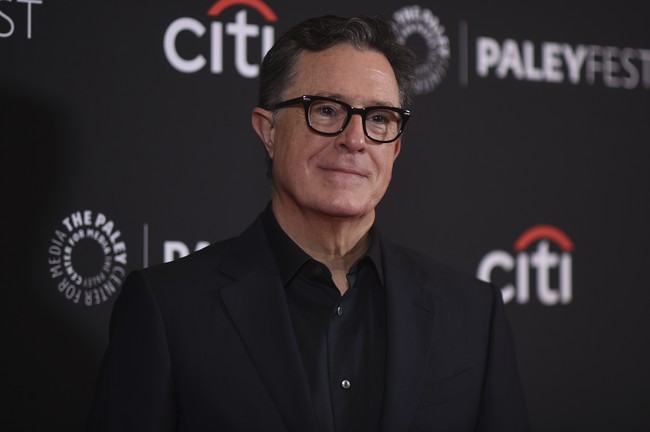
CBS pulling the plug on Stephen Colbert’s late-night program after bleeding $40 million a year is less a ratings footnote than a market verdict on the entire late-night model. For years the show served as a nightly megaphone for the same coastal-elite talking points—gun-control absolutism, sneering at lawful carriers, and treating the Second Amendment like an embarrassing relic. When the audience finally stopped showing up and advertisers followed, the network discovered that subsidizing partisan monologues is a losing proposition in a fragmented media landscape. The new arrangement that reportedly turns the slot profitable suggests CBS is finally acknowledging viewers will pay for entertainment, not lectures.
That shift carries a quiet but real implication for the 2A community. Late-night comedy once functioned as a cultural pressure valve, normalizing the idea that gun owners are punchlines and that any expansion of rights is inherently dangerous. With fewer captive viewers and shrinking ad dollars, those monologues lose reach; the cultural battlefield moves to platforms where pro-Second Amendment voices can compete directly without network gatekeepers. The cancellation is therefore another data point showing that legacy media’s ability to shape the narrative around firearms is eroding in real time.
For gun owners who have spent the last decade watching their rights caricatured at 11:30 p.m., the development is less about one host’s departure and more about the economics of free speech finally catching up to the content. When profitability replaces political signaling as the north star, the space for honest discussion of self-defense, constitutional carry, and the practical realities of armed citizens expands. CBS’s balance sheet just confirmed what the ratings had already whispered: the audience for reflexive anti-gun comedy is smaller—and less valuable—than the networks once assumed.


