

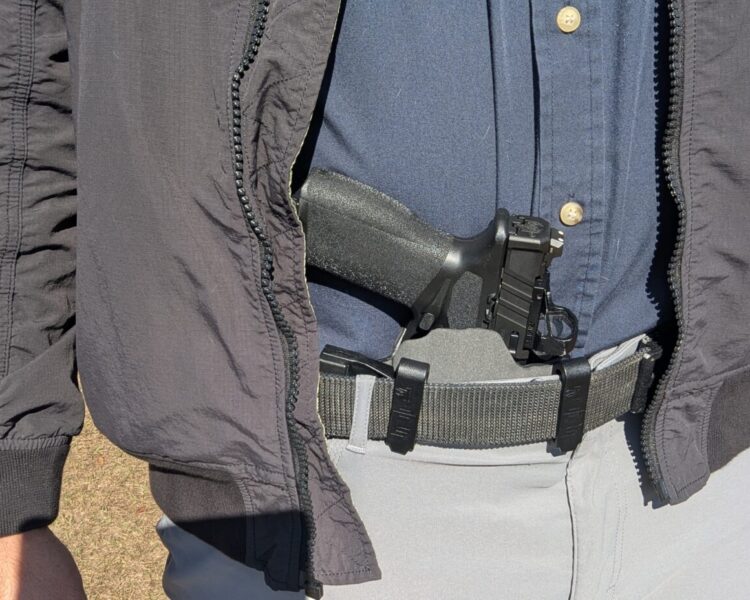
Carrying a loaded firearm in Condition One demands a level of trust that goes far beyond mechanical familiarity—it requires the shooter to internalize that the gun will only fire when the trigger is deliberately pressed. The veteran’s admission that even experienced carriers feel that initial flutter of doubt underscores a universal truth: anxiety isn’t a sign of weakness but evidence that the brain is correctly registering the gravity of the responsibility. By reframing the chambered round not as a threat but as a readiness asset, carriers convert that nervous energy into heightened situational awareness, turning potential hesitation into decisive action when seconds count.
For the broader Second Amendment community, this psychological hurdle reveals why training must evolve past rote manipulation of controls and into deliberate stress-inoculation drills that replicate the mental weight of daily carry. When new permit holders hear that seasoned shooters once shared their apprehension, it normalizes the learning curve and reduces the stigma that can drive people back to unloaded or off-body carry—both statistically less effective defensive postures. Ultimately, overcoming Condition One anxiety strengthens the cultural argument that responsible armed citizens are not reckless but are instead the product of rigorous, ongoing preparation that respects both the tool and the right it protects.


