

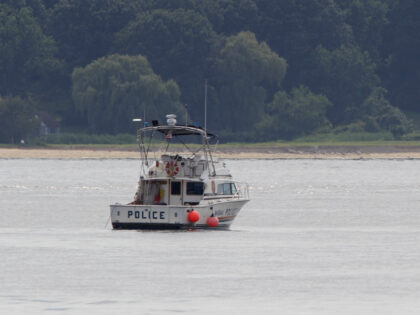
The tragedy in New York Harbor is a stark reminder that when government fails at its most basic duty—securing the border and vetting those who operate in our waters—innocent lives pay the price. The captain’s unlawful presence in the United States didn’t just violate immigration statutes; it exposed a systemic blind spot that allowed an unlicensed, unvetted individual to command a vessel carrying families. For Second Amendment advocates, the parallel is unmistakable: just as officials downplay the dangers of open borders, they routinely dismiss the life-saving value of an armed citizenry prepared to respond when law enforcement is minutes away and tragedy strikes in seconds.
This isn’t merely an immigration story; it’s a case study in misplaced trust. Progressive jurisdictions that treat immigration enforcement as optional often apply the same logic to self-defense, enacting restrictions that leave law-abiding citizens disarmed in the very environments where danger is most unpredictable. The Harbor incident underscores a broader truth: when the state cannot—or will not—guarantee safety, individuals retain both the moral and constitutional right to protect themselves and their families. The 2A community has long argued that rights are exercised most responsibly by those who prepare; the same principle applies to border security and maritime regulation.
Ultimately, the loss of a mother and her child should prompt more than condolences; it should ignite renewed scrutiny of policies that prioritize optics over enforcement. Whether the issue is an unvetted captain on the water or an unarmed citizen ashore, the pattern is the same: government overreach paired with under-protection. The right to keep and bear arms exists precisely because citizens understand that safety is a personal responsibility long before it becomes a bureaucratic one.


