

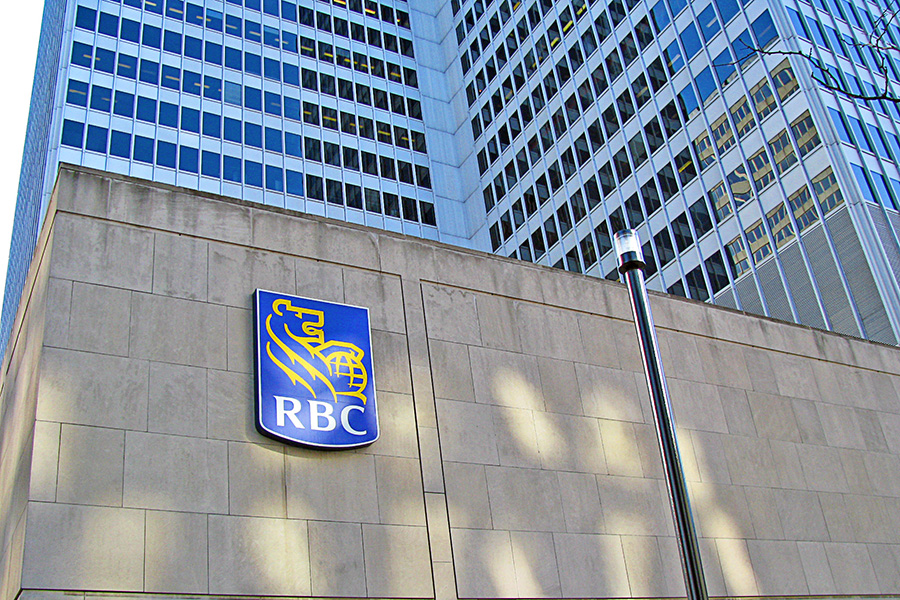
RBC’s decision to cut off financing for American gun makers is less a surprise than a predictable extension of Canada’s long-running hostility toward lawful self-defense. While the bank frames its policy as “risk management,” the timing—coming on the heels of Ottawa’s sweeping handgun freeze and magazine restrictions—makes the political motive impossible to ignore. By treating U.S. manufacturers as pariahs, RBC is effectively exporting Canadian gun-control orthodoxy south of the border, using capital access as a weapon against an industry that remains entirely legal under American law.
The deeper implication is that financial de-banking is quickly becoming the soft-power successor to outright prohibition. Where outright bans still face constitutional and political headwinds in the United States, denying loans, insurance, and payment processing can quietly starve companies of the oxygen they need to operate. RBC’s move will embolden other foreign and domestic institutions to adopt similar “ESG” screens, creating a two-tier financial system in which Second Amendment–compliant businesses are treated like tobacco or coal. For the 2A community, the takeaway is clear: the next battlefront isn’t just legislation—it’s whether law-abiding Americans can keep their money in institutions that don’t view their rights as a liability.


