

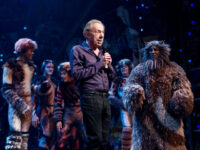
Andrew Lloyd Webber’s blunt assessment that Broadway’s “woke play explosion” is driving production costs into the stratosphere is more than a theater-industry gripe—it’s a cautionary tale about what happens when ideology crowds out economics. The composer of Phantom of the Opera and Cats is watching ticket prices climb and audiences shrink because every new show now carries the overhead of sensitivity consultants, pronoun coaches, and the inevitable rewrites that follow when activist reviewers object to a single line. In a city where even a modest musical now costs north of $15 million to mount, the margin for error has vanished, and the first casualty is creative freedom.
For the 2A community the lesson is immediate: the same cultural machinery that is pricing traditional storytelling out of existence is already training its sights on the right to keep and bear arms. When a single tweet can trigger a corporate apology, a revised script, or an outright cancellation, the pressure to self-censor becomes irresistible. Firearm owners who once assumed the culture war would remain confined to college campuses and late-night comedy are discovering that the same risk-averse institutions now control the narratives that shape public opinion on everything from magazine capacity to constitutional carry. If Broadway can no longer afford to stage a show that offends the activist class, how long before Hollywood decides it can no longer afford to portray armed self-defense in anything but the most caricatured terms?
The deeper implication is that markets, not mandates, remain the most reliable check on ideological overreach. Webber’s warning is an invitation for the 2A community to double down on alternative platforms—independent films, direct-to-consumer content, and live events that bypass the gatekeepers—where audience demand, not activist veto, still decides what gets made. In an era when even a legendary composer must calculate the political cost of every lyric, the surest way to keep the Second Amendment visible on screen and stage is to build and support the venues that refuse to price it out of existence.


