

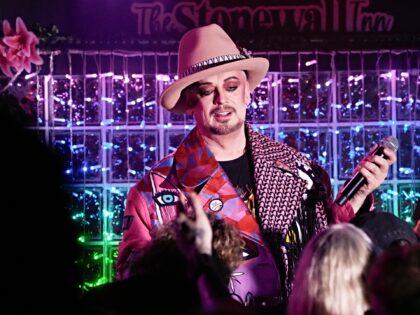
Boy George’s decision to release “We Will Dance Again” is more than a pop star’s gesture of solidarity; it’s a reminder that cultural pushback against terrorism often mirrors the same principles that animate the right to keep and bear arms. The song’s Hebrew verses and unapologetic embrace of Jewish resilience after October 7 echo the instinctive human need to answer violence with resolve rather than retreat. In a world where “from the river to the sea” chants dominate campuses and concert venues alike, a mainstream British artist publicly rejecting that narrative is a small but telling victory for individual conscience over mob orthodoxy.
For the 2A community, the episode underscores a broader truth: the same ideological currents that demonize Israel’s right to self-defense also seek to pathologize Americans’ right to defend themselves. When activists label Boy George an “Islamophobe” for honoring murdered civilians, they deploy the identical rhetorical toolkit used to brand lawful gun owners as extremists. Both fights hinge on whether civilized people are permitted to recognize evil and prepare to meet it—whether with an AR-15 in a nightstand or an Iron Dome over Tel Aviv.
The deeper implication is strategic. Cultural figures who refuse to self-censor create space for ordinary citizens to do the same. If a gender-bending ’80s icon can release a Hebrew-language track supporting the Jewish state without career-ending repercussions, it suggests the Overton window on security issues may be wider than activists claim. That breathing room matters to gun owners who increasingly find their range days, training classes, and lawful carry portrayed as moral liabilities. In both arenas, the lesson is identical: deterrence begins with the willingness to be seen standing your ground.


