

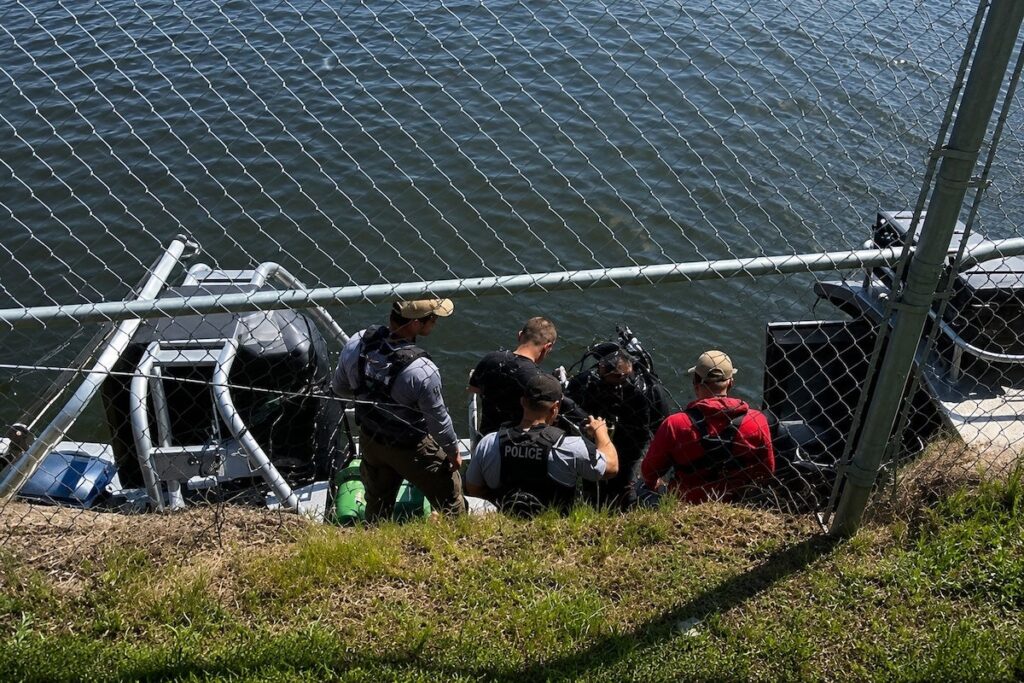
In the murky depths of Alabama’s Big Creek Lake, a long-submerged explosive device has resurfaced as a stark reminder that the tools of war don’t always stay neatly catalogued in government inventories. Whether this ordnance is a relic from decades-old military training, an illegally dumped item, or something more recent, its discovery underscores how easily destructive devices can slip through the cracks of official oversight. For Second Amendment advocates, the find is less about panic and more about perspective: law-abiding citizens who train with legal explosives or maintain historical collections operate under layers of federal paperwork and background checks, yet the system still cannot guarantee that every piece of ordnance remains accounted for.
The episode also highlights an uncomfortable asymmetry in the gun-control debate. While legislators rush to restrict magazine capacities and semi-automatic rifles, they rarely address the reality that military-grade munitions have occasionally vanished into civilian waterways, scrap yards, or private property. Responsible gun owners already shoulder the burden of serial-number tracing, safe-storage mandates, and instant background checks; discovering an untracked bomb at the bottom of a public lake suggests the enforcement gap lies elsewhere—perhaps in surplus disposal, base security, or the black-market networks that thrive when legal avenues are over-regulated. Rather than using this story to stoke fear of private ownership, it should prompt honest questions about whether additional restrictions on lawful citizens would have prevented an ordnance that was never in civilian hands to begin with.
Ultimately, the Big Creek Lake discovery is a teachable moment for the 2A community: preparedness and vigilance remain personal responsibilities precisely because institutional safeguards are imperfect. Lawful explosives users, from sport shooters with Tannerite to historical reenactors preserving deactivated shells, already demonstrate that regulated private ownership does not equate to public danger. The real lesson is that criminals and bureaucratic oversights—not the millions of Americans who follow the rules—pose the persistent risk, and any policy response should target those actual vectors instead of further burdening the compliant.


