

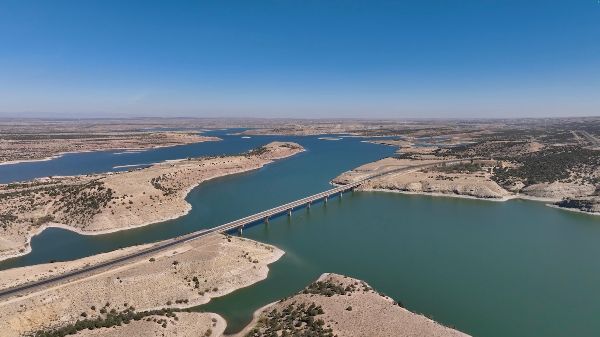
Utah’s decision to plow more than $446,000 of fishing-license revenue into habitat work on 41 Blue Ribbon waters is a textbook case of user-pay, user-benefit conservation that gun owners should watch closely. Because every dollar comes from anglers rather than taxpayer subsidies, the program sidesteps the anti-hunting arguments that often accompany public-land spending debates; the same principle underpins the Pittman-Robertson excise-tax model that bankrolls state wildlife agencies and, by extension, the shooting ranges and access projects hunters rely on. When regulators see that voluntary fees can produce measurable habitat gains—Jordanelle’s new structure complexes, Panguitch Lake’s oxygen-rich deep-water releases, Duchesne River’s stabilized banks—they have less incentive to reach for blunt regulatory tools that could restrict tackle sales or limit where firearms are carried during hunting seasons.
The timing matters. With anti-Second Amendment litigation and proposed magazine restrictions bubbling up in western legislatures, any program that visibly ties outdoor recreation to self-funded stewardship gives the firearms community a stronger rebuttal: responsible gun owners already pay their way, improve the resource, and keep rural economies alive. If the same model were expanded to shooting-sports infrastructure—say, a surcharge on ammunition that directly funds range maintenance—sportsmen could point to Utah’s results as proof that targeted, user-driven funding outperforms top-down mandates. In short, the Blue Ribbon Fisheries allocation isn’t just about trout; it’s a quiet demonstration that the same people who value the right to keep and bear arms are also the ones most willing to invest in the places where those arms are used.


