

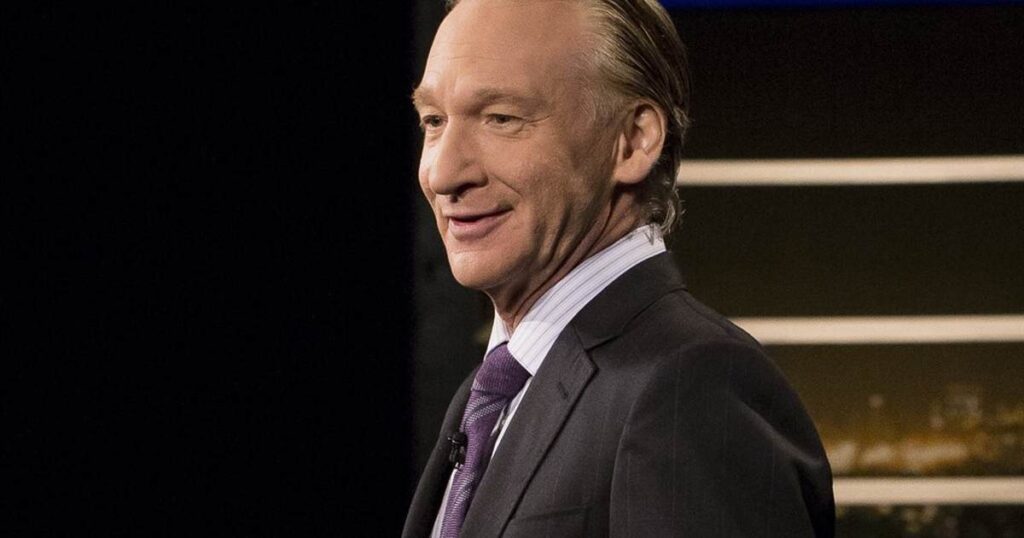
Bill Maher’s latest takedown of Anthony Fauci wasn’t just another cable-news dust-up; it was a master class in how the same institutional reflexes that tried to lock the country indoors for two years are now quietly eyeing the gun safe. When Maher pressed Fauci on the shifting goalposts of “the science,” the former NIAID chief fell back on the same paternalistic cadence he used to justify school closures and vaccine mandates—language that should sound familiar to anyone who’s watched ATF rule-making memos turn “pistol braces” into felonies overnight. The moment underscored a larger truth: once government health bureaucrats feel comfortable redefining everyday objects as “risks,” the leap to redefining everyday rights as “privileges” is a short one.
For the 2A community, the exchange is a reminder that cultural power often travels through the same elite channels—public-health czars, late-night arbiters of acceptable opinion, and administrative agencies that answer to no voter. Maher’s willingness to challenge Fauci on air signals that the post-pandemic Overton window is cracking open, and that skepticism of credentialed overreach is no longer confined to gun forums. That matters because the same administrative state that once told Americans which parks they could visit is still staffed by officials who view an AR-15 in civilian hands as a statistical “threat” rather than a constitutional right. If the cultural tide is finally turning against reflexive deference to experts, the Second Amendment stands to gain breathing room that it hasn’t enjoyed since 2019.
The deeper implication is strategic: pro-2A advocates should treat every successful push-back against public-health authoritarianism as a dry run for the next skirmish over braces, pistol grips, or magazine capacity. The arguments that exposed Fauci’s elastic definitions of “safe” and “effective” are the same ones that expose the ATF’s elastic definitions of “rifle” and “pistol.” By keeping the spotlight on institutional overreach wherever it appears, gun owners help normalize the broader principle that the Bill of Rights is not subject to emergency rulemaking—whether the emergency is a virus or a media-driven “epidemic of gun violence.”


