

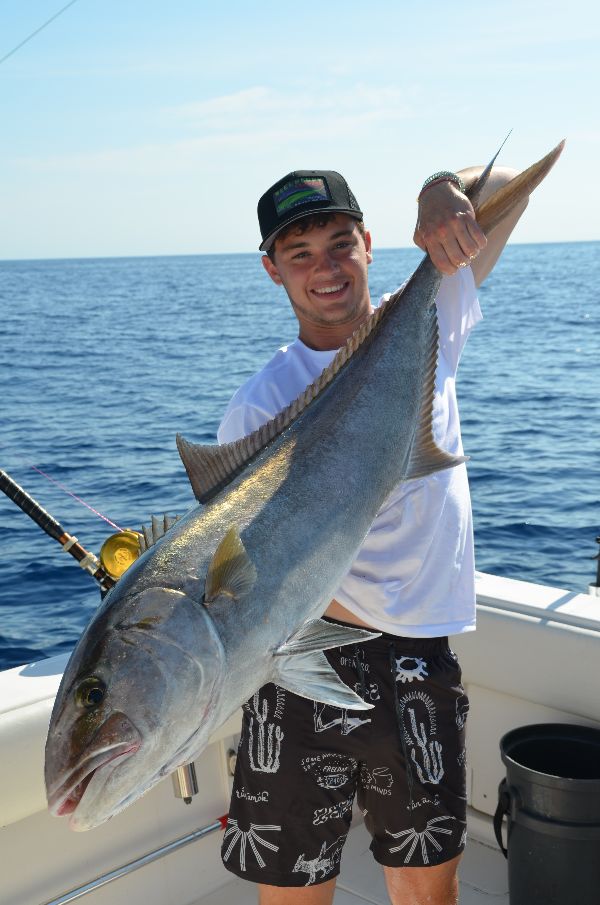
The latest fisheries science push to refine saltwater population estimates isn’t just about better catch limits—it’s a reminder that data-driven management works when it’s transparent and accountable. Traditional surveys often rely on broad assumptions and limited sampling, which can lead to overly restrictive regulations that hurt both recreational anglers and the coastal economies they support. Newer methods, from acoustic tagging to environmental DNA, promise tighter confidence intervals and faster feedback loops, giving regulators the tools to adjust seasons and bag limits without the knee-jerk overreach that’s become all too common.
For the 2A community, the parallel is obvious: just as flawed population models can throttle fishing rights, shaky crime data and selective statistics are routinely weaponized to justify magazine bans, “assault weapon” restrictions, and permitting schemes. When the underlying numbers are opaque or politically massaged, the policy that follows rarely protects public safety—it simply erodes individual liberty. Conversely, rigorous, open-source data collection tends to reveal that lawfully armed citizens correlate with lower violent crime, much the way improved fish counts can show healthy stocks even under sustained harvest pressure.
The takeaway is straightforward: whether the resource is red snapper or the right to keep and bear arms, accurate measurement is the first line of defense against arbitrary control. Anglers who insist on better science for saltwater species are making the same principled stand that gun owners make when they demand raw FBI UCR data instead of cherry-picked surveys. In both arenas, sunlight on the numbers keeps policy tethered to reality rather than to the next election cycle.


