

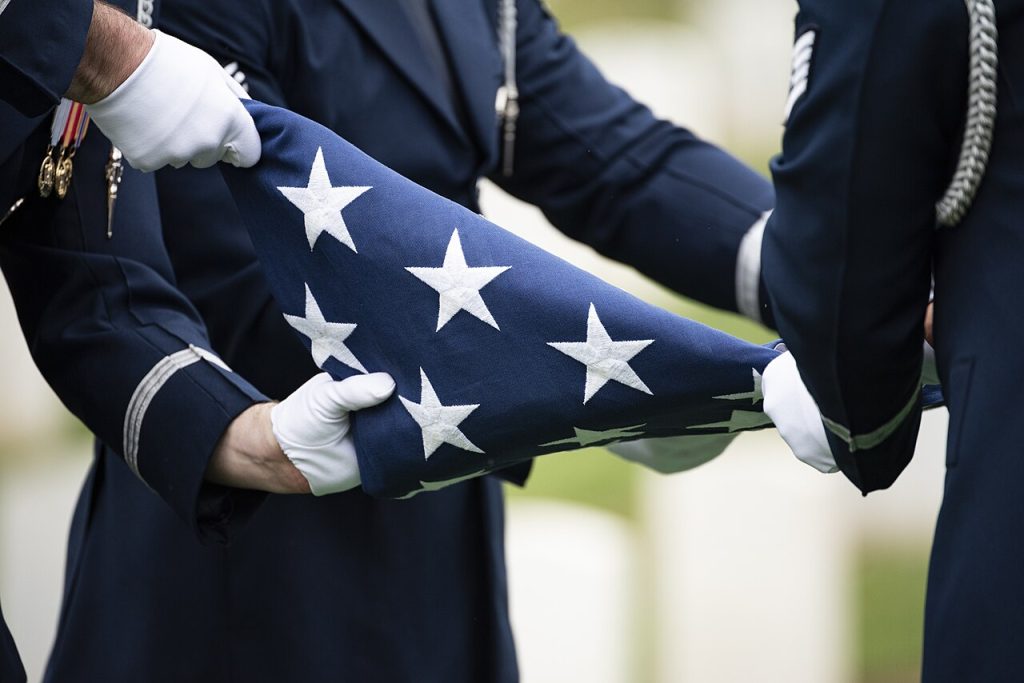
The words from Mark Oliva cut straight to the heart of what Memorial Day demands of every American who values liberty: a personal reckoning with whether our daily choices honor those who gave everything so the rest of us could keep the Republic. In a culture quick to treat freedom as a subscription service that renews automatically, Oliva’s reminder lands like a cold bucket of reality—those headstones at Arlington and the quiet plots in small-town cemeteries represent real men and women who traded their futures for ours, and the only acceptable repayment is to remain vigilant stewards of the rights they died defending. For the 2A community that truth is especially sharp; the Second Amendment was never a hobbyist clause—it was the founders’ explicit insurance policy against tyranny, and every range day, every range-safety brief, every vote on magazine-capacity bills is a down-payment on that same debt.
What makes the message timely is how directly it collides with the modern political weather. While some in Washington treat the right to keep and bear arms as a bargaining chip to be trimmed for political points, the fallen did not die so later generations could negotiate away the tools of resistance. Oliva’s challenge therefore doubles as a call to action: support the groups doing the real legal and legislative heavy lifting, mentor new shooters so the culture stays responsible and capable, and refuse to let comfort or convenience erode the very amendment that makes every other right enforceable. Being “worthy” is not a feeling; it is a ledger that records range time, civic engagement, and an unapologetic defense of the plain text of the Constitution.
The implication for gun owners is both sobering and energizing. If the price of freedom truly was paid in blood, then the minimum acceptable return is an armed, informed, and unapologetic citizenry that treats the Second Amendment not as a privilege subject to bureaucratic mood swings but as the people’s retained power to remain free. On this Memorial Day, the test is simple: when the next generation asks what we did with the inheritance bought at such cost, will the answer be that we grew softer or that we stood the watch?


