

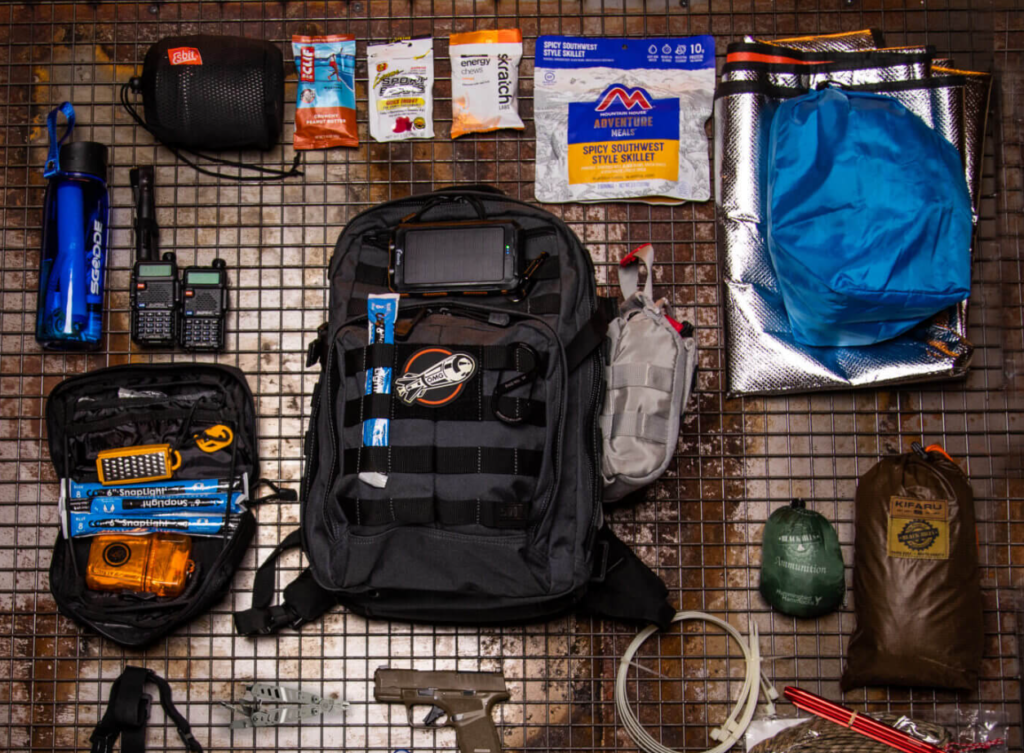
Claude Werner’s observation that the best decisions are made in advance is a cornerstone of responsible carry, yet the article rightly cautions against turning that foresight into a rigid script. Everyday-carry kits are often assembled like checklists—gun, spare mag, light, blade, med kit—each item chosen because it “might” be needed. The danger lies in assuming those items will always be deployed in a predictable sequence. Real encounters rarely follow the tidy timeline we rehearse on the square range; variables such as bystander proximity, lighting, or the sudden appearance of multiple threats can render a memorized draw-stroke or reload cadence irrelevant in seconds.
The deeper implication for the 2A community is that gear-centric preparedness must be paired with decision-centric training. Owning the latest minimalist appendix rig or a tourniquet holder does not confer judgment under stress. Instead, periodic force-on-force or scenario-based drills expose the gaps between what we packed and what the moment actually demands. That feedback loop keeps the focus on adaptability rather than accumulation—encouraging carriers to value mental rehearsal and legal awareness as highly as the hardware itself.
Ultimately, the article’s warning is not an argument against preparation; it is a reminder that preparation is a living discipline. By treating EDC as a flexible framework rather than a locked-in protocol, carriers honor Werner’s principle without falling into the trap of over-scripting. The goal is not to eliminate uncertainty but to cultivate the judgment necessary to navigate it—an approach that strengthens both individual readiness and the broader credibility of the right to bear arms.


