

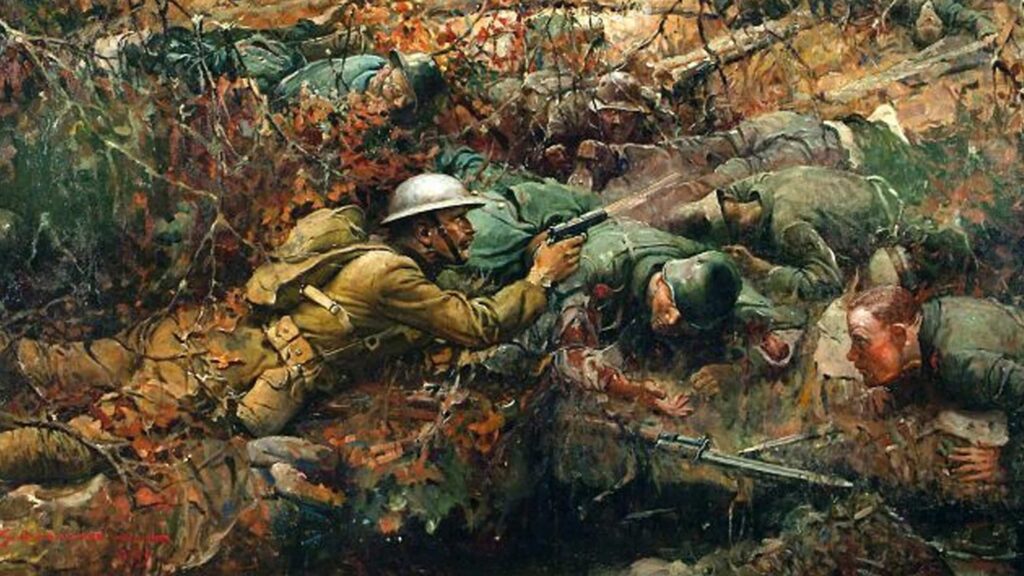
Massad Ayoob’s latest reflection on the 1911 isn’t just a history lesson—it’s a reminder that the pistol that helped win two world wars still shapes the way serious shooters think about reliability under pressure. Ayoob walks through the gun’s combat record from the trenches of France to the jungles of the Pacific, underscoring how John Browning’s single-action design proved that a well-made .45 ACP could stop a determined enemy when lesser sidearms failed. What stands out is his emphasis on the 1911’s mechanical simplicity: fewer parts to foul, a manual safety that trains the hand rather than fights it, and a trigger that rewards disciplined practice—qualities that still matter when milliseconds decide outcomes.
For the 2A community, the piece lands at a moment when polymer striker-fired pistols dominate the market and some dismiss “old tech” as nostalgia. Ayoob counters that argument by showing how the 1911’s ergonomics and aftermarket ecosystem keep it competitive in both defensive and competitive circles, proving that rights exercised with proven tools remain relevant regardless of fashion. The deeper implication is cultural: every time a new generation learns to run the 1911 safely and accurately, it reinforces the idea that the Second Amendment protects not just ownership but the transmission of hard-won martial skill from one era to the next.
Ultimately, Ayoob’s narrative pushes readers to see the 1911 less as a museum piece and more as living proof that effective self-defense doesn’t require the latest polymer gadget—only a firearm whose design has already been tested in the harshest conditions humans have devised. That continuity of function and freedom is exactly what keeps the right to keep and bear arms from becoming an empty slogan.


