

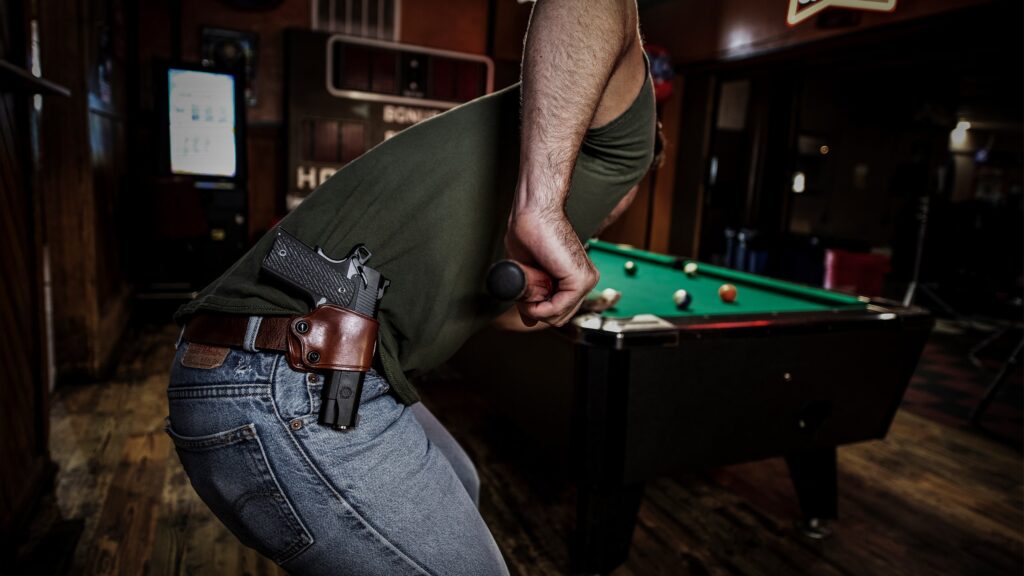
Massad Ayoob’s latest column lands at a moment when open-carry laws have never been more widespread yet the cultural optics of the practice remain fiercely contested. Rather than issuing a blanket verdict, Ayoob frames the question as situational: a visible sidearm can serve as both deterrent and lightning rod, depending on the carrier’s demeanor, the environment, and the prevailing political climate. His analysis reminds the 2A community that rights are exercised in public, where perception can either normalize lawful carry or hand opponents fresh footage for the next round of “commonsense” restrictions.
What makes the piece especially useful is its emphasis on the carrier’s responsibility to manage that perception. Ayoob points out that an openly carried firearm is, in effect, a billboard; if the carrier projects calm competence, the message is “this is normal,” but if the same carrier appears aggressive or inattentive, the message becomes “this is a threat.” That distinction matters in jury rooms and legislative hearing rooms alike. By stressing situational awareness, dress code, and the willingness to articulate a lawful purpose when asked, Ayoob supplies a practical playbook that goes beyond the slogans of either side.
For the broader pro-2A movement, the column underscores a strategic fork in the road. States that have recently removed permit requirements now serve as real-world laboratories; the data on crime rates and public acceptance will be weaponized by both camps. Carriers who treat open carry as a casual fashion statement risk supplying the next viral incident that shifts the Overton window against permitless carry everywhere. Conversely, disciplined, low-key open carry can normalize the practice the same way concealed carry did a generation ago. Ayoob’s takeaway is simple but pointed: the right to bear arms is only as secure as the habits of those who exercise it.


