

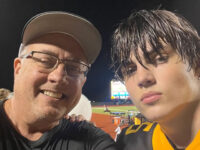
Austin Metcalf’s father’s raw declaration that his family was “robbed” lands like a gut-punch because it strips away the sanitized language that usually cloaks these tragedies and forces every reader to confront the human cost of a single, irreversible act. When a father stands before cameras and says the word “robbed,” he is not merely describing the loss of a son; he is indicting a culture that treats lethal violence as background noise until it touches someone’s own doorstep. For the 2A community, the moment crystallizes why the right to keep and bear arms exists in the first place: it is the final, lawful recourse when the state’s promise of protection collapses in real time.
The deeper implication is that every defensive-gun-use statistic the media ignores is the mirror image of this father’s grief; behind each number is a family that was not robbed because an armed citizen refused to be a victim. Karmelo Anthony’s alleged actions, and the father’s unfiltered response, remind us that the Second Amendment is not an abstraction debated in think-tank papers—it is the line that separates “we were robbed” from “we fought back and survived.” When the legal system eventually weighs self-defense claims in this case, the 2A community will watch closely, because the precedent will either reinforce or erode the principle that law-abiding citizens retain the means to answer violence with equal force.


