

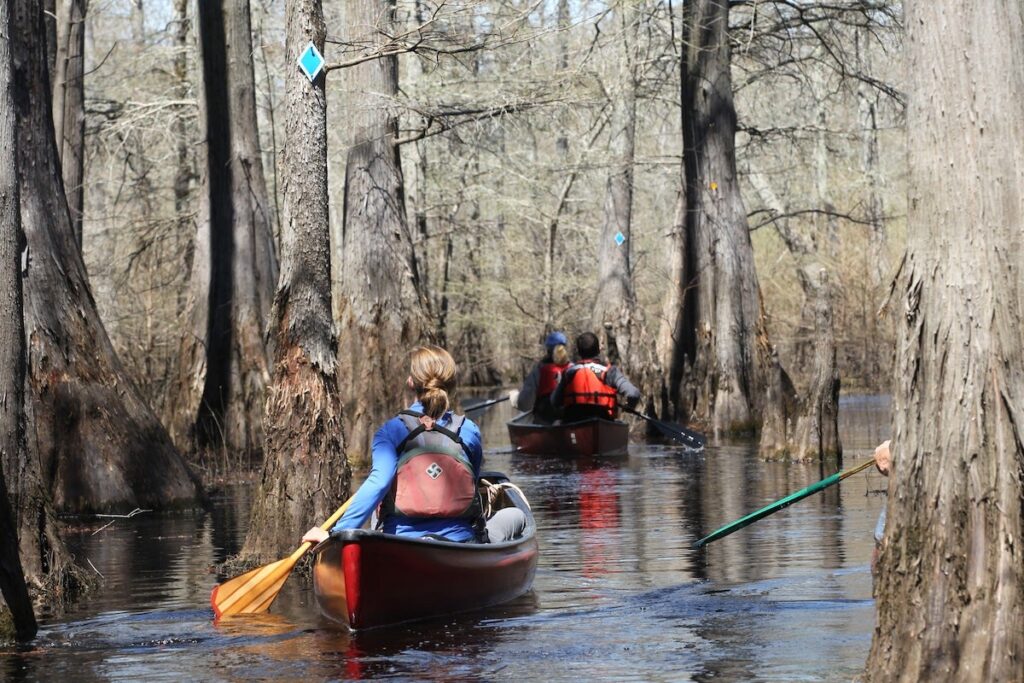
Arkansas just flipped the script on what it means to “pay to play” outdoors. The AGFC’s new access-permit rule—$12 for residents, $25 for non-residents—now applies to hikers, kayakers, and bird-watchers on dozens of WMAs and lakes, not just hunters and anglers. On paper it’s a revenue grab to offset maintenance costs, but the timing is telling: the same commission that once treated non-consumptive users as free riders is now treating every footprint as a taxable event. For Second Amendment advocates, the move is a cautionary tale about how quickly “user-pay” logic can migrate from the gun range to the trailhead. If the state can monetize a quiet paddle or a sunrise hike, it can just as easily attach new fees or restrictions to the act of carrying a firearm for self-defense on public land.
The deeper implication is philosophical. Wildlife management areas were sold to the public as shared heritage, funded largely by Pittman-Robertson dollars from hunters and shooters. By expanding the fee base to every visitor, Arkansas is quietly decoupling conservation funding from the shooting sports—an approach that risks diluting the political clout of gun owners who have historically shouldered the financial burden. At the same time, the policy hands anti-gunners a talking point: “Everyone pays now, so no one should get special access for hunting or target shooting.” Pro-2A groups in the Natural State will need to watch how these permits are enforced and whether future rule-making attempts to condition permit issuance on training requirements, background checks, or magazine-capacity limits.
Bottom line, the permit itself is small change, but the precedent is not. Once government learns it can charge citizens for simple presence on land they already own through taxes, the line between “access” and “permission slip” starts to blur. For those who see the right to keep and bear arms as inextricably tied to the right to freely access the woods and waters, Arkansas’s experiment is worth monitoring—and, if necessary, pushing back against—before the model spreads to other states.


