

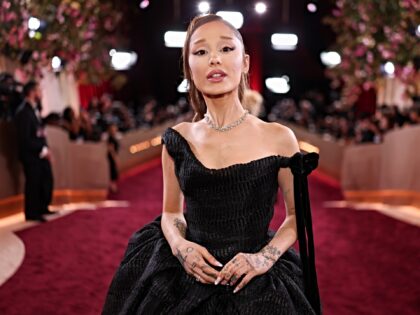
Ariana Grande’s swift rebuke of President Trump for sampling her track in a TikTok that mocked gender ideology is less about copyright etiquette and more about the entertainment industry’s reflexive defense of progressive orthodoxy. By declaring “your truth is false,” Grande isn’t merely policing her intellectual property; she’s signaling that any cultural artifact—even a pop song—must remain off-limits to viewpoints that challenge the prevailing narrative on sex and identity. For Second Amendment advocates, the episode is a reminder that the same cultural gatekeepers who police speech also shape the climate in which gun rights are debated, funded, and litigated.
The deeper implication is that the culture war and the gun-rights struggle are converging on the same battlefield: control of narrative. When a celebrity can mobilize millions of followers to boycott or de-platform an elected official over a 15-second clip, the infrastructure for boycotting firearm manufacturers, canceling NRA events, or pressuring banks to drop FFLs is already in place. The 2A community has watched parallel tactics deployed against the industry since 2018; what looks like a spat over music licensing today can become coordinated pressure campaigns against gun-friendly banks or insurers tomorrow.
Strategically, pro-2A voices should treat these micro-controversies as early-warning systems rather than isolated celebrity spats. Building parallel cultural channels—podcasts, streaming platforms, and creator economies that monetize without fear of advertiser boycotts—will be as important as litigating constitutional cases. If the right to keep and bear arms ultimately rests on public legitimacy, then every skirmish over who “owns” a song, a meme, or a statistic is also a skirmish over who gets to define the terms of the gun-rights debate itself.


