

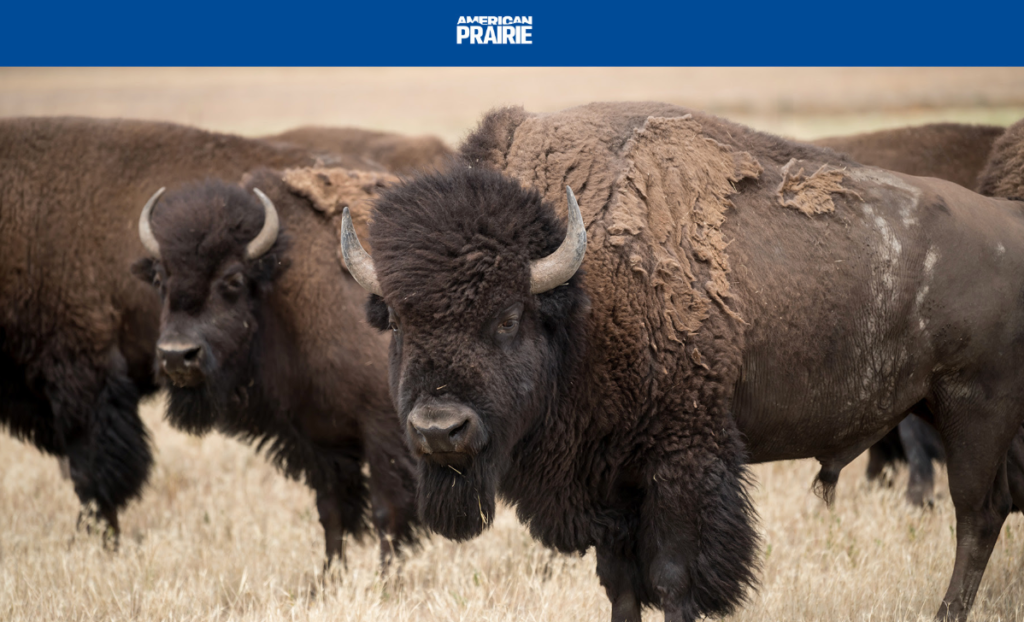
The cancellation of American Prairie’s long-running bison harvest isn’t just a wildlife-management footnote; it’s a textbook case of federal agencies flexing administrative muscle to override both science and the public’s long-standing stake in multiple-use lands. Since 2018 the nonprofit has used tightly regulated, lottery-style hunts to keep its herd in balance with the fragile northern-Montana prairie, drawing 5,000 applicants each year and funneling meat, hides, and revenue back into local communities. When the Bureau of Land Management yanked the grazing permits, it didn’t cite over-grazing or disease; it simply bowed to pressure from preservationist groups that view any harvest as incompatible with their vision of a “hands-off” landscape. That single bureaucratic stroke erased years of data-driven stewardship and reminded sportsmen that access to public resources can vanish overnight when political winds shift.
For the 2A community the episode is a flashing warning light. The same administrative tools—permit revocation, “cooperative agreement” reinterpretation, and last-minute environmental reviews—can just as easily be trained on hunting access, back-country airstrips, or even the placement of a shooting range on BLM acreage. When agencies decide that one user group’s values trump multiple-use mandates, every outdoorsman’s ability to exercise Second Amendment-protected activities on federal land becomes negotiable rather than guaranteed. The bison-hunt cancellation shows how quickly a management regime can pivot from partnership to prohibition, and it underscores why vigilance at the regulatory level is now as critical as vigilance at the ballot box.
The deeper implication is philosophical: who actually “owns” public land—the people who fund it, or the temporary stewards who answer to the loudest lobby? If the answer is the latter, then every hunter, angler, and recreational shooter is one interpretive memo away from losing ground they’ve historically shared. The American Prairie episode is therefore less about bison numbers and more about whether multiple-use remains a living principle or becomes a historical footnote. For Second Amendment advocates, the takeaway is clear: defend access as fiercely as we defend the right to bear arms, because without a place to shoot, hunt, or simply recreate, the right itself begins to ring hollow.


