

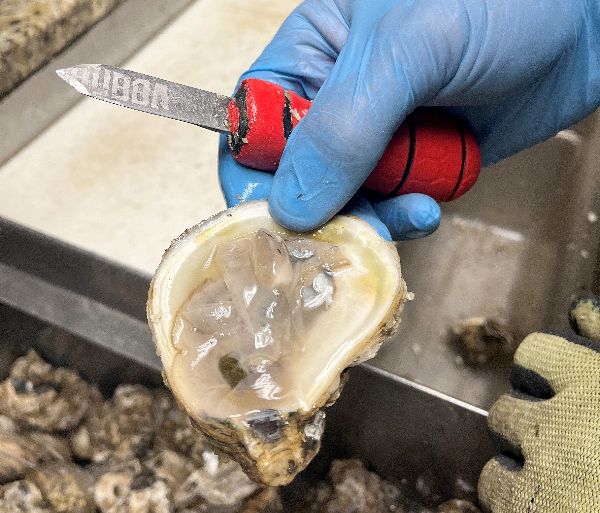
Alabama’s oyster restoration work is a textbook case of how private initiative and public-private partnerships can restore a resource that once seemed lost to overregulation and environmental mismanagement. By seeding new reefs with disease-resistant spat and enlisting local watermen to monitor growth, the state is proving that sustainable harvest and habitat recovery are not mutually exclusive. The same principle applies to the right to keep and bear arms: when citizens are trusted to steward their own resources—whether shellfish beds or the tools of self-defense—outcomes improve for everyone involved.
The 2A community should watch these projects closely because they expose the fallacy that only government experts can manage complex systems. Oyster farmers now operate under streamlined permitting that rewards compliance rather than punishing participation, a model that could be replicated for everything from suppressor ownership to interstate ammunition shipping. When regulators step back and let responsible users set the pace, innovation follows—whether that means faster reef growth or the next generation of precision rifle components.
Ultimately, both oyster beds and the Bill of Rights thrive when the default assumption is liberty rather than prohibition. Alabama’s success shows that measured, data-driven policy beats blanket restrictions every time, and that lesson travels well beyond the Gulf Coast.


