

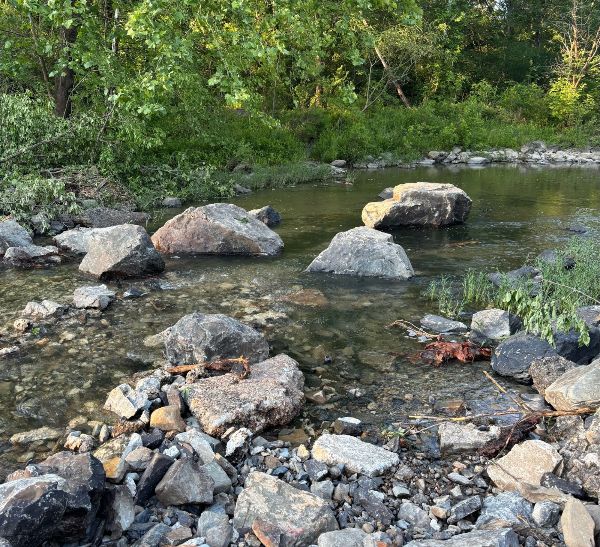
When the Arkansas Game and Fish Commission teams up with private landowners and federal dollars to knock down low-water crossings and reconnect fragmented streams, the headline may read “fish passage,” but the subtext is a textbook case of cooperative conservation that gun owners should study. By removing four barriers in the Little River watershed and landing a $2.2 million National Fish Passage Program grant, AGFC is proving that habitat work can be done without new layers of regulation or land grabs—exactly the model Second Amendment advocates have long argued works better than top-down edicts. The partnership with Weyerhaeuser shows that timber companies, often painted as adversaries by anti-access groups, are willing to open their gates when the ask is practical habitat improvement rather than punitive restrictions on traditional uses like hunting and shooting.
For the 2A community the lesson is straightforward: healthy watersheds equal healthy game populations, and healthy game populations equal sustained hunting opportunity and the political support that comes with it. Every restored mile of stream that brings back leopard darters and the sportfish that follow also keeps rural economies alive—lodges, bait shops, and the rural landowners who still view their property as both a working asset and a shooting range. When agencies demonstrate they can solve connectivity problems with targeted grants and willing partners instead of blanket closures or “buffer zone” edicts, they build credibility that spills over into debates over range access, suppressor rules, and public-land carry. In short, fish ladders today can mean fewer locked gates tomorrow.
The bigger implication is that conservation funding streams like the National Fish Passage Program are apolitical tools the firearms community should monitor and, when appropriate, support. These dollars are already being used to leverage private-land cooperation; if similar mechanisms were applied to range development or lead-management projects, the same collaborative spirit could head off the narrative that outdoor recreation and gun ownership are incompatible. By celebrating World Fish Migration Day with bulldozers instead of new rules, Arkansas is quietly modeling the kind of pragmatic environmental work that keeps both fish and freedom of the woods and waters intact.


