

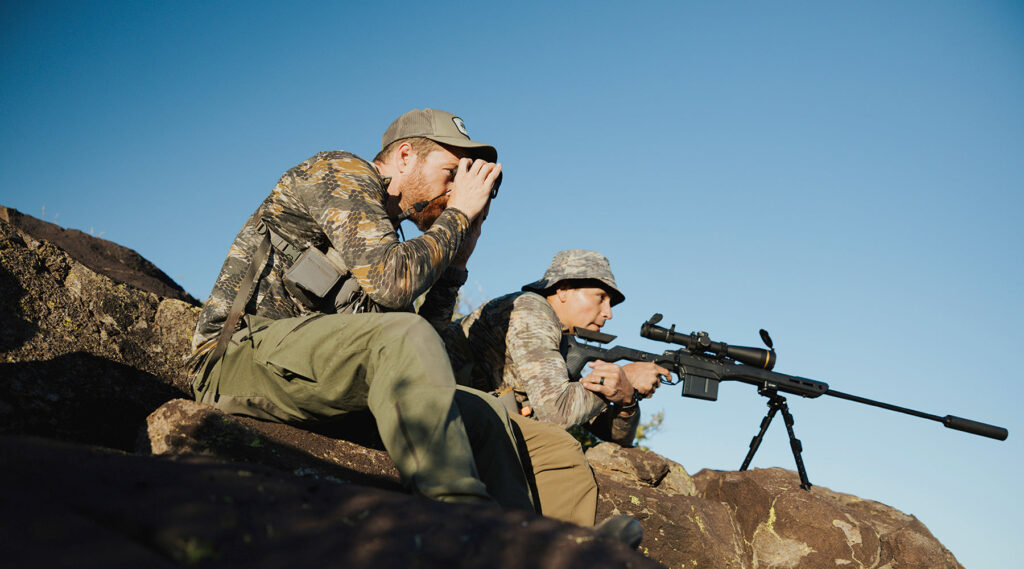
Training with a partner turns every range session into a live feedback loop that solo shooters simply cannot replicate. When your partner calls your hits, spots grip torque, or notices your support hand creeping forward under recoil, those micro-corrections compound faster than any mirror or phone video can deliver. The social pressure of another set of eyes also forces shooters to run drills at realistic speeds instead of the comfortable pace we often default to when no one is watching, which is exactly why competition teams and professional units treat paired training as non-negotiable. For the 2A community this matters because an armed citizen who can only perform under perfect, solitary conditions is still one step behind the person who has stress-inoculated their fundamentals with another human present.
Beyond the technical gains, partner training builds the kind of decentralized skill networks that strengthen the broader culture of responsible gun ownership. When two shooters trade roles as coach and student, they exchange not just technique but also the legal and ethical frameworks that keep carry and home-defense decisions sound. Those conversations—about when to draw, how to articulate justification, or how to maintain situational awareness—happen organically between reps and become part of the muscle memory of the entire community. In an era when anti-2A voices portray armed citizens as isolated and untrained, every range buddy system quietly refutes that narrative by producing shooters who are both more competent and more articulate about their rights.
The long-term implication is cultural as much as tactical: partner training multiplies the number of people who can safely mentor the next wave of new gun owners. A single experienced shooter working alone can only pass on so much knowledge; two shooters working together create a living curriculum that travels to other ranges, other states, and other families. That organic growth is how the right to keep and bear arms stays vibrant—not through solitary perfection, but through the shared discipline of getting better together.


