

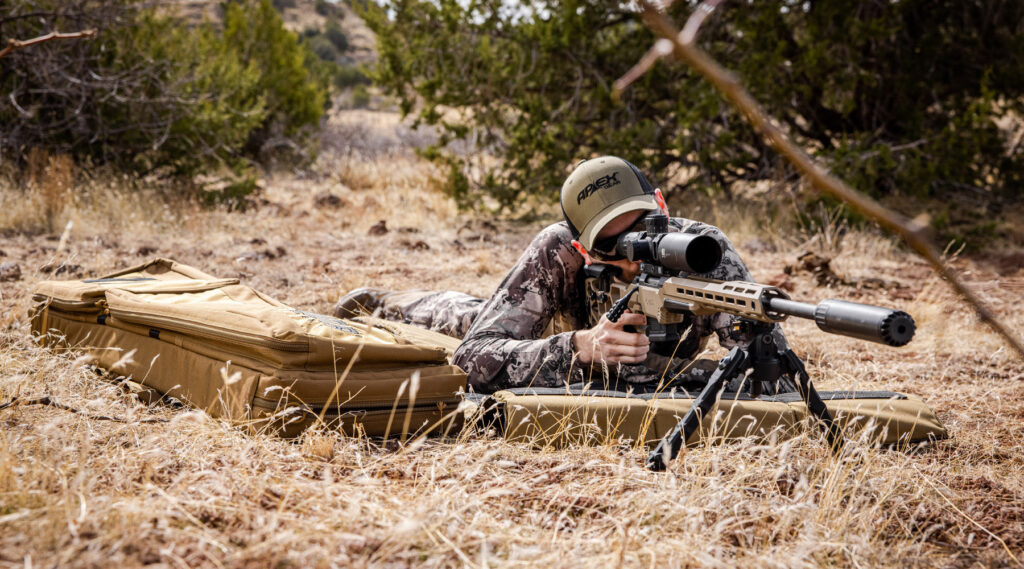
Ballistic calculators are incredible tools—and I use them, teach them, and absolutely believe they have a place in precision shooting. But there’s a problem: when shooters lean on them too early, they skip the foundational understanding of how bullets actually fly, how wind and angle affect trajectory, and how small changes in velocity or atmospheric conditions ripple outward into misses at distance. The piece argues that dialing dope from an app before you’ve felt the wind on your face or watched your impacts walk across a steel plate creates shooters who can punch numbers but can’t read a stage or adapt when the battery dies or the signal drops. For the 2A community this matters because marksmanship isn’t just a hobby metric—it’s the practical skill that underpins responsible carry, competition, and the credibility of armed citizens when debates turn to training standards and “assault weapon” rhetoric.
By forcing new shooters to start with manual ranging, known-distance confirmation, and on-the-fly wind calls, instructors are rebuilding the muscle memory and decision-making that once defined riflemen before software existed. That discipline translates directly to defensive scenarios where a phone or tablet isn’t an option and to the political argument that gun owners are serious about safety and proficiency rather than just collecting gadgets. The long-term payoff is a generation of shooters who treat the calculator as a refinement tool, not a crutch, preserving both individual capability and the community’s reputation for disciplined, effective marksmanship.


