

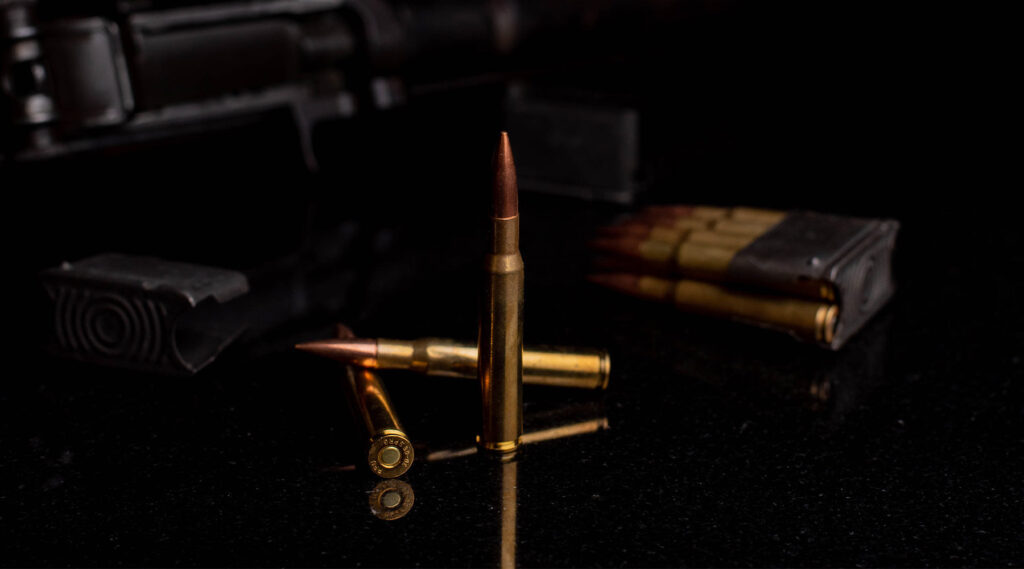
The .30-06 Springfield once defined American marksmanship, powering everything from the M1903 and M1 Garand to generations of deer rifles that still hang in barns from Maine to Montana. Its 150- to 180-grain bullets delivered reliable terminal performance at ranges that mattered for both soldiers and sportsmen, and its brass was plentiful enough that reloaders could stretch a single case across decades of use. Yet the cartridge’s long reign is now being chipped away by shorter, higher-pressure rounds that fit in compact actions, cycle faster in semi-autos, and deliver comparable or better ballistics with less recoil and weight—advantages that matter when the next defensive or hunting scenario unfolds in seconds rather than minutes.
For the 2A community this shift is less obituary than recalibration: the .30-06’s gradual eclipse underscores how cartridge choice itself is an exercise of rights, with shooters free to match modern platforms to modern threats without waiting for bureaucratic approval. At the same time, the old warhorse’s continued presence in surplus rifles, legacy hunting guns, and vast stockpiles of once-military brass reminds us that obsolescence is a market verdict, not a government edict; millions of perfectly serviceable .30-06 firearms remain constitutionally protected arms whose utility has not been erased by newer SKUs. The real takeaway is that an informed citizenry, not regulators, decides which tools best preserve life and liberty, and the .30-06’s lingering relevance proves that tradition and innovation can coexist on the same gun rack.


