

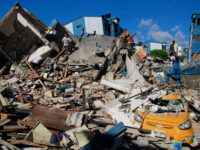
The devastating earthquake that has claimed over 132 lives in Colombia and left thousands missing serves as a stark reminder that when government infrastructure collapses, individual preparedness becomes the difference between survival and tragedy. While the mainstream narrative focuses on the humanitarian crisis and international aid efforts, the 2A community recognizes a deeper truth: natural disasters expose the fragility of centralized emergency response systems and underscore why responsible citizens maintain the means of self-defense and self-reliance. In the chaos following major seismic events, looters and criminals don’t wait for permission slips or background checks—they exploit the breakdown of law and order while survivors wait for help that may never come.
This tragedy also highlights how Colombia’s strict gun control measures have left law-abiding citizens particularly vulnerable during this crisis. With thousands missing and rescue operations stretched thin across affected regions, those who might otherwise defend their families and property from opportunistic predators are forced to rely solely on government protection that simply doesn’t exist in the immediate aftermath. The 2A community has long argued that the right to bear arms isn’t about hunting or sport—it’s about the fundamental human right to protect oneself when institutions fail, a principle that becomes brutally clear when the ground literally gives way beneath civilization’s thin veneer.
Perhaps most telling is how this disaster reinforces the American advantage of constitutional carry and shall-issue permitting systems that allow citizens to maintain defensive capabilities without bureaucratic delays. While Colombian survivors face weeks or months of vulnerability as the government slowly restores order, Americans in earthquake-prone regions like California maintain the ability to legally carry defensive firearms that could prove lifesaving when the next big one strikes. The Colombia earthquake isn’t just a natural disaster—it’s a real-world case study in why the Second Amendment remains as relevant in the 21st century as it was in 1791, proving that rights aren’t luxuries for good times but necessities when everything else falls apart.


