

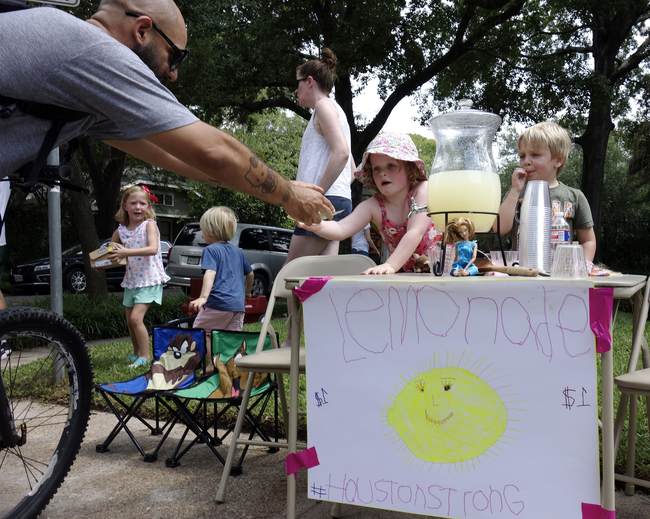
In a city that prides itself on progressive policies and strict gun control, the image of armed juveniles shaking down a child’s lemonade stand should shatter any remaining illusions about who actually benefits from disarmament laws. Boston’s latest street-level absurdity shows that criminals—especially the young and impulsive—do not file permits or wait for background checks; they simply acquire what they need on the black market or from the lax enforcement zones that decades of one-sided policy have created. The victims here were not abstract statistics; they were kids trying to earn pocket change in a public space their parents assumed would be safe, underscoring how “may-issue” mindsets and ever-tightening restrictions on lawful carriers leave ordinary citizens, including parents, with fewer tools to intervene when seconds count.
For the 2A community the takeaway is blunt: every new restriction layered onto legal gun owners is another asymmetric advantage handed to predators who already ignore the law. When Massachusetts continues to treat shall-issue carry as a radical idea while its urban centers incubate armed minors, the result is predictable—more soft targets and emboldened attackers. Law-abiding residents who might have provided immediate deterrence are instead disarmed by statute, forced to rely on a response time that, in practice, arrives after the damage is done. The lemonade-stand heist is therefore not an outlier but a data point in a larger pattern: jurisdictions that most aggressively curtail the right to keep and bear arms reliably produce environments where the youngest and most vicious learn they can operate with near-impunity.
Ultimately, this episode crystallizes why constitutional carry and permitless self-defense are not fringe talking points but practical correctives to policy failure. When the state cannot—or will not—secure even its smallest citizens in broad daylight, the moral case for an armed citizenry becomes self-evident. The 2A community should treat stories like Boston’s not as isolated tragedies to be mourned, but as evidence demanding renewed legislative and cultural pushback against the very restrictions that helped manufacture the threat.


