

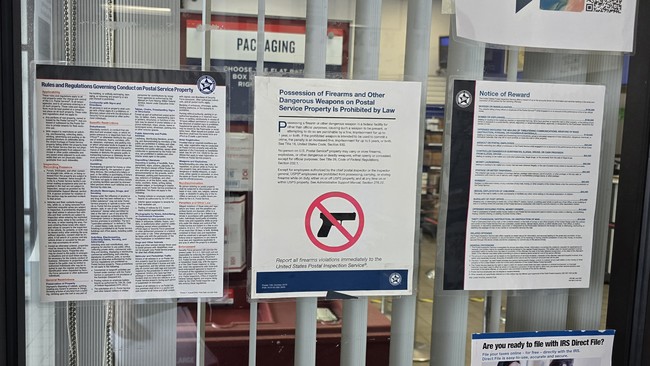
The USPS reversal on its firearms ban is less a sudden epiphany than the predictable result of a legal and political environment that has grown steadily more hostile to administrative overreach. For years the agency treated its retail counters like miniature gun-free zones, a policy that clashed with both the plain text of the Second Amendment and the Supreme Court’s recent emphasis on historical tradition over bureaucratic convenience. The decision to drop the prohibition is therefore best read as a retreat forced by mounting litigation risk and a recognition that federal agencies no longer enjoy the deference they once did when they attempt to disarm law-abiding citizens in spaces traditionally open to the public.
What makes the move noteworthy is not the policy itself—most states already allow permit holders to carry in post offices—but the signal it sends to other federal landlords. If the Postal Service can no longer justify a categorical ban, agencies that manage Social Security offices, national parks, and federal courthouses will face the same question: where is the historical analogue that permits disarming citizens who pose no threat? The 2A community should treat this as an invitation to press the same logic elsewhere rather than a final victory.
Longer term, the reversal underscores how fragile administrative gun control has become once courts insist on text, history, and tradition. Expect renewed challenges to “sensitive places” rules that rest on little more than agency say-so, and anticipate that every new restriction will be met with the same demand for evidence that such a rule would have been accepted at the Founding. In that sense, the USPS change is less an isolated concession than another data point in a broader recalibration of federal power.


