

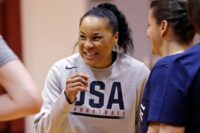
The WNBA’s sudden surge in visibility has turned every broadcast into a referendum on the league’s worth, and the icons who built it are calling the noise exactly what it is: the price of finally mattering. What they’re describing isn’t just growing pains; it’s the predictable backlash that follows any institution once it stops being a niche curiosity and starts threatening entrenched interests. For the 2A community, the lesson is straightforward: success invites scrutiny, and scrutiny is the opening move in the campaign to disarm, regulate, or delegitimize anything that challenges the status quo. The same media ecosystem that now dissects every WNBA foul call has spent decades framing lawful gun owners as the problem rather than the symptom of deeper cultural fractures.
That parallel matters because both stories hinge on who gets to define “safety” and “success.” When the league’s stars insist the criticism is evidence of relevance, they’re echoing what pro-2A voices have said for years: an armed populace that refuses to be shamed into compliance is proof that the culture is shifting, not collapsing. The difference is that the WNBA can point to rising ratings and sold-out arenas as receipts; gun owners can point to record background checks, surging first-time female and minority buyers, and statehouses rolling back restrictions. In both cases, the institutions that once dismissed the trend are now forced to contend with it, and their discomfort is the clearest signal that the ground has moved.
The takeaway for Second Amendment advocates is to treat every new attack—on carry rights, on the industry, on culture itself—as confirmation that the movement is winning. The WNBA didn’t ask permission to matter, and neither should gun owners. The louder the outrage, the closer the Overton window has slid toward normalizing what was once fringe. Keep scoring, keep selling out arenas, keep buying and training; the growing pains are temporary, but the cultural realignment is permanent.


