

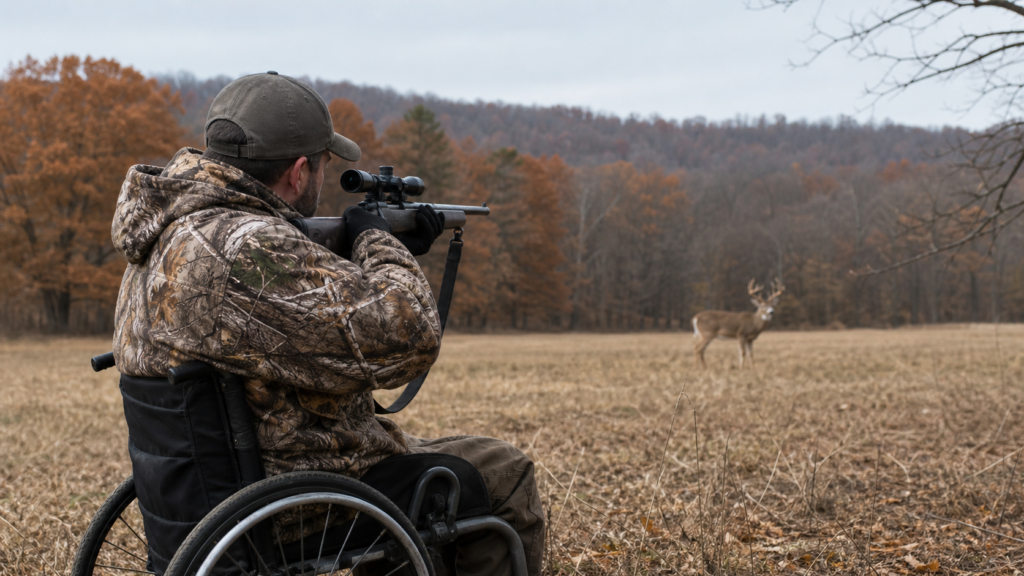
Wisconsin’s call for private landowners to open ground for disabled hunters in 2026 is more than a feel-good wildlife program—it’s a quiet affirmation that the right to keep and bear arms belongs to every citizen, not just the able-bodied. By carving out a dedicated gun season on private land, the DNR is acknowledging that physical limitation should never become a legal or practical barrier to the fundamental act of self-defense and harvest. That recognition matters in a state where anti-hunting and gun-control factions routinely push to shrink both opportunity and access; here, instead, the agency is actively recruiting property owners to expand them.
For the 2A community the move carries a deeper strategic signal. Landowner participation effectively turns private property into a proving ground that the Second Amendment is exercised, not merely possessed. When a wheelchair-bound veteran or a paraplegic teenager is guided onto a Wisconsin woodlot and allowed to take game with a modern sporting rifle, the image undercuts the caricature that gun owners are only able-bodied “good old boys.” It also builds quiet political capital: every participating landowner becomes a stakeholder invested in keeping both habitat and carry rights intact, creating a grassroots constituency that future regulatory fights will have to reckon with.
The longer-term implication is cultural as much as legal. Programs like this normalize the idea that responsible gun ownership scales across every demographic, reinforcing the principle that the right to arms is individual, not conditional on physical prowess or bureaucratic gatekeeping. If Wisconsin’s pilot succeeds, other states will likely copy the model, multiplying venues where the disabled can lawfully and safely exercise their rights. In an era when some jurisdictions seem determined to make ownership ever more difficult, this small administrative notice quietly advances the larger truth that the Second Amendment was written for all Americans—standing, seated, or anywhere in between.


