

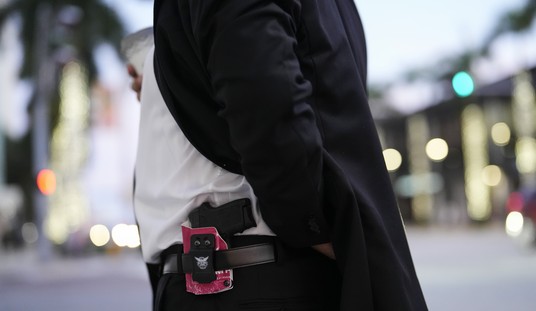
California’s latest self-defense case is shaping up to be another textbook example of how “gun-free zone” signage collides with real-world danger. A law-abiding gun owner reportedly stopped a knife-wielding attacker inside a posted prohibition area, yet now faces the possibility of charges simply because the location carried the state’s preferred “no guns allowed” sticker. The irony is hard to miss: the sign did nothing to deter the criminal, but it may be used to punish the citizen who survived the encounter. For the 2A community, this isn’t just another headline—it’s a live demonstration that paper restrictions on lawful carriers rarely protect anyone except prosecutors looking for easy plea leverage.
The deeper issue is how California’s patchwork of sensitive-place bans and carry restrictions keeps turning everyday defensive gun uses into legal minefields. Even when the facts scream justification—imminent deadly threat, no safe retreat, clear disparity of force—the state’s default posture is to treat the armed citizen as the suspect first and the victim second. That flips the constitutional presumption on its head and chills the very right the Second Amendment was meant to secure. If prosecutors move forward here, they’ll be signaling that compliance with signage trumps the right to life, a message that will echo far beyond this single incident.
For gun owners nationwide, the takeaway is straightforward: signage and statutes don’t stop blades or bullets, but they can still turn a justified shooting into years of legal jeopardy. The 2A community should watch this case closely, because every charge filed against a defender in a so-called gun-free zone becomes precedent that other states can copy. Until courts or legislatures recognize that the right to bear arms must include the practical ability to use them where danger actually occurs, law-abiding carriers will continue paying the price for feel-good restrictions that criminals simply ignore.


