

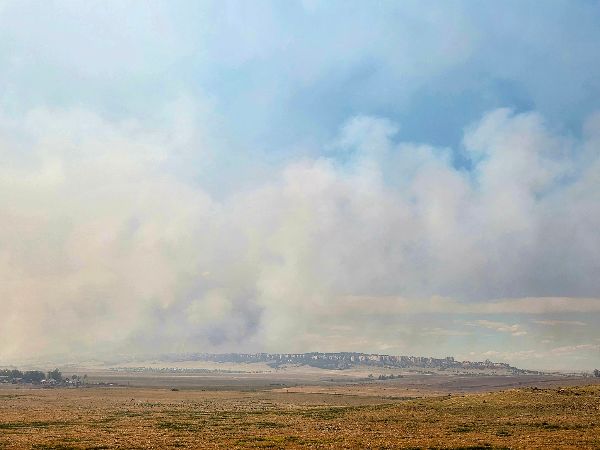
The sudden closure of Fort Robinson State Park and the Peterson Wildlife Management Area isn’t just another headline about a wildfire—it’s a stark reminder that when government land shuts down, the Second Amendment doesn’t get a hall pass. Nebraska Game and Parks didn’t merely rope off trails; they effectively disarmed the public’s ability to train, hunt, or even access their own public range resources while the South Fork Fire burns unchecked. For the 2A community, this is a live demonstration of how “temporary” restrictions can quietly become precedent: once officials decide public safety trumps access, the same logic can be repurposed for everything from “climate emergencies” to “sensitive areas” near future gun-control zones.
What makes this closure especially telling is the speed and totality of the response. Evacuating guests and locking gates to “support firefighting operations” sounds reasonable until you realize how rarely the same urgency is applied to restoring access once the immediate threat passes. Pro-2A sportsmen who use these lands for everything from long-range practice to mentoring new shooters now face an open-ended blackout with zero timeline for reopening. That uncertainty isn’t neutral; it chills the very activities—safe, responsible firearms use on public land—that the Second Amendment was meant to protect. Every day the gates stay shut is another data point for those who argue that government can simply declare an area off-limits whenever it chooses.
The broader implication is that 2A advocates need to treat land-access fights as core gun-rights fights. When a wildfire, flood, or bureaucratic “study” closes thousands of acres, it doesn’t just inconvenience hikers; it shrinks the practical footprint of the right to keep and bear arms. Fort Robinson’s closure should prompt every range owner, hunting club, and state-level pro-2A group to start mapping alternative training sites and pushing for statutory guarantees that closures end the moment the emergency does. Otherwise, the next “temporary” shutdown might not be about fire at all—it might be about control.


