

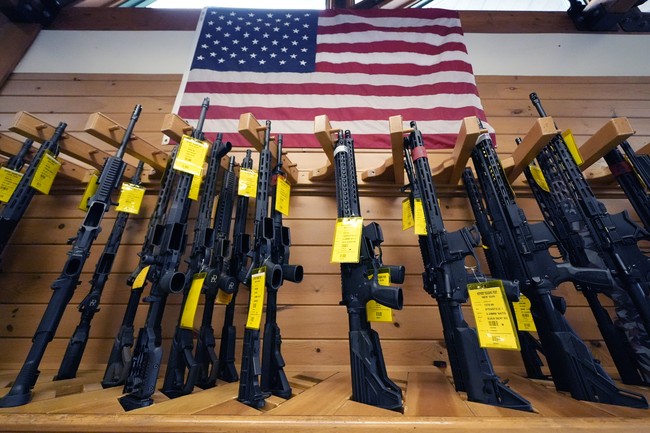
The gun debate has never been confined to the headlines of any single election cycle or tragedy; it is a living argument about whether the individual retains the sovereign right to defend life, liberty, and property against every form of centralized power that history has shown will eventually turn predatory. When we treat the Second Amendment as merely a policy preference for today’s crime statistics, we hand our opponents the frame they want: a temporary privilege that can be recalibrated whenever the political winds shift. In reality, the right to keep and bear arms is the structural safeguard that makes every other enumerated right enforceable; without it, speech, assembly, and due process become permissions rather than possessions. The 2A community therefore has an obligation to keep the conversation anchored in first principles—human nature, the lessons of every disarmed population that followed, and the technological reality that governments will always possess superior force unless citizens retain a credible deterrent.
That long view carries immediate tactical consequences. Every new restriction, from magazine limits to “red flag” laws, must be evaluated not only for its marginal effect on crime today but for the precedent it sets for tomorrow’s political minority or dissenting viewpoint. Data from defensive gun uses, the historical pattern of registration lists becoming confiscation lists, and the accelerating centralization of digital surveillance all point to the same conclusion: incremental concessions compound into strategic defeat. Pro-2A advocates who focus solely on the present moment risk winning a skirmish while losing the war over whether the individual or the state is presumed to hold the ultimate monopoly on force. The debate is therefore less about guns than about whether we still believe citizens are the ultimate check on government, a belief that must be argued and defended across generations rather than conceded in the name of short-term political optics.


