

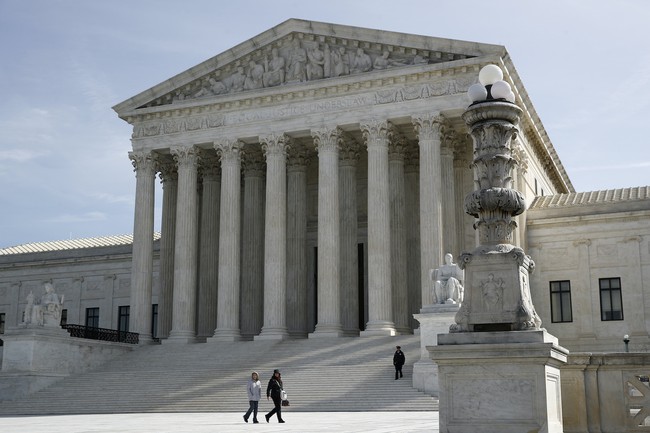
The recent wave of lower-court rulings striking down magazine bans, assault-weapon restrictions, and sensitive-place carry prohibitions should feel like decisive victories for the right to keep and bear arms, yet the practical reality on the ground tells a different story. Even after Bruen’s text-and-history test gutted the old two-step interest-balancing framework, states and cities continue to treat injunctions as polite suggestions rather than binding commands. California’s latest “assault-weapon” redefinition, New York’s refreshed “sensitive locations” map, and Illinois’ rushed Protect Illinois Communities Act all demonstrate the same pattern: officials betting that lengthy appeals, venue shopping, and the sheer cost of litigation will keep enforcement alive long after the legal theory has been rejected. For law-abiding gun owners, that means the constitutional win is often reduced to an expensive, multi-year game of whack-a-mole.
What makes this gap between paper victories and real-world relief especially corrosive is the asymmetry of power it creates. Grass-roots carriers and small FFLs shoulder the compliance costs and criminal exposure while state attorneys general weaponize sovereign immunity and taxpayer-funded appeals to run out the clock. The result is a chilling effect that no single Supreme Court opinion can fully dispel; millions of citizens self-censor their carry plans or delay purchases because today’s “shall-issue” permit might be tomorrow’s target of a new emergency rule. Meanwhile, the same jurisdictions loudly insist that law-abiding citizens must obey every edict until the last appeal is exhausted—an argument they would never accept if the right at stake were speech or abortion.
For the 2A community the lesson is clear: court decisions are necessary but nowhere near sufficient. Sustained political pressure, state-level preemption statutes with real teeth, and strategic state-AG alliances willing to countersue recalcitrant localities are now just as important as the next cert petition. Without those parallel tracks, the post-Bruen landscape risks becoming a hall of mirrors where rights exist on paper but remain unenforced in practice, leaving ordinary citizens to navigate a patchwork of shifting red tape that no amount of Supreme Court language can untangle on its own.


