

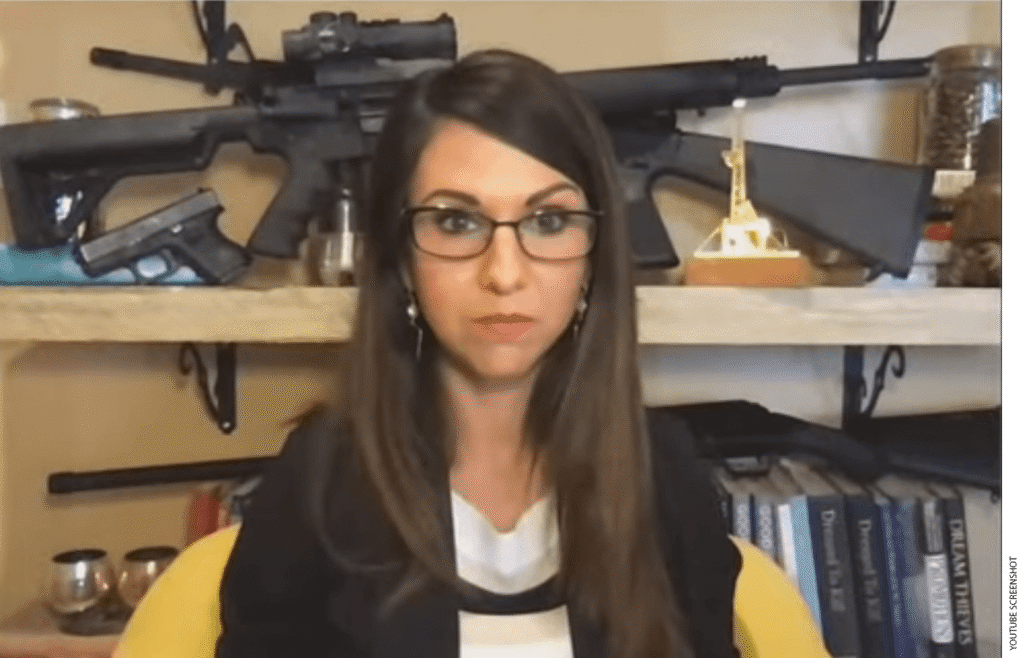
Teachers peering into living rooms through Zoom have turned routine online classes into de facto surveillance operations, where a visible firearm or a political banner can trigger school investigations, parent complaints, and even court proceedings. What began as an emergency workaround during lockdowns has quietly evolved into a system where educators and administrators feel entitled to judge the contents of a private home, often equating the mere presence of a legally owned gun with some nebulous threat. The result is a chilling expansion of institutional oversight that treats Second Amendment exercise as inherently suspicious rather than a protected right exercised inside one’s own four walls.
For the 2A community this development is more than an anecdote about overzealous teachers; it signals a broader cultural shift in which schools act as proxies for progressive social norms, importing classroom politics into the sanctity of the home. When a hunting rifle on a wall or a Trump banner becomes evidence in a disciplinary file, the message to families is unmistakable: your constitutional choices are now subject to bureaucratic review the moment your child logs on. This inverts the traditional understanding of the home as a refuge from government scrutiny and raises serious questions about how far remote-learning mandates can stretch before they collide with the Fourth and Second Amendments.
The long-term implication is a generation of students being conditioned to view firearms ownership and dissenting political expression as risky behaviors best hidden from authority figures. Pro-2A parents and advocates should treat these incidents not as isolated overreaches but as data points in an ongoing effort to normalize the monitoring of private conduct. If schools can punish what they glimpse on a webcam today, tomorrow’s virtual or hybrid models could embed permanent oversight mechanisms that erode both privacy and the practical exercise of the right to keep and bear arms.


