

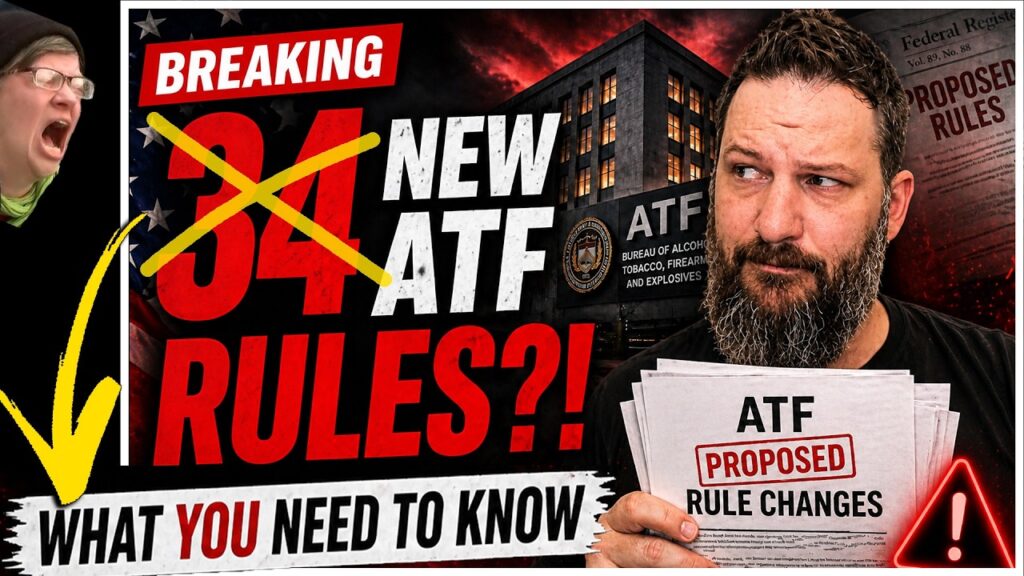
The ATF’s latest salvo—34 proposed rule changes hitting the Federal Register soon—has the 2A world buzzing, but let’s cut through the hype: most of these are bureaucratic tweaks dressed up as seismic shifts. Think expanded definitions for engaged in the business of dealing firearms (expanding on Rule 2021R-05F), clearer guidance on what constitutes a firearms business without an FFL, and housekeeping like updating engraving requirements for suppressors and SBRs. The real meat? Rules targeting ghost guns by reclassifying unfinished frames and receivers as firearms, forcing serialization and background checks on 80% lowers and kits. This isn’t new—it’s the Biden admin doubling down on 2022’s Rule 2021R-05F—but the devil’s in the details: expect kits from Polymer80 or similar to vanish from shelves, pushing hobbyists underground or into compliance headaches.
Don’t sleep on the implications, though. For the average gun owner, the big wins are minimal; these rules largely formalize existing practices, giving ATF more teeth to audit hobby builders without touching core rights like building your own rifle for personal use (still legal under current law). But for the 2A community, it’s a slippery slope: this expands the administrative state, potentially paving the way for broader pistol brace crackdowns or forced registries via privately made firearms (PMFs) tracking. Clever angle? ATF’s own data shows violent crime with unserialized guns is a rounding error (under 1% per FBI stats), so this is theater—more about control than safety. Stock up on unfinished projects now, support lawsuits from GOA or FPC challenging overreach, and remember: every rule like this is a test of our vigilance.
Bottom line for defenders of the right: prioritize the signal from the noise. Big deals like ghost gun regs demand legal pushback (hello, Garland v. Cargill momentum), while the fluff (like minor Form 4473 updates) is just filler. Stay informed, build compliant, and vote like your Second Amendment depends on it—because it does.


