

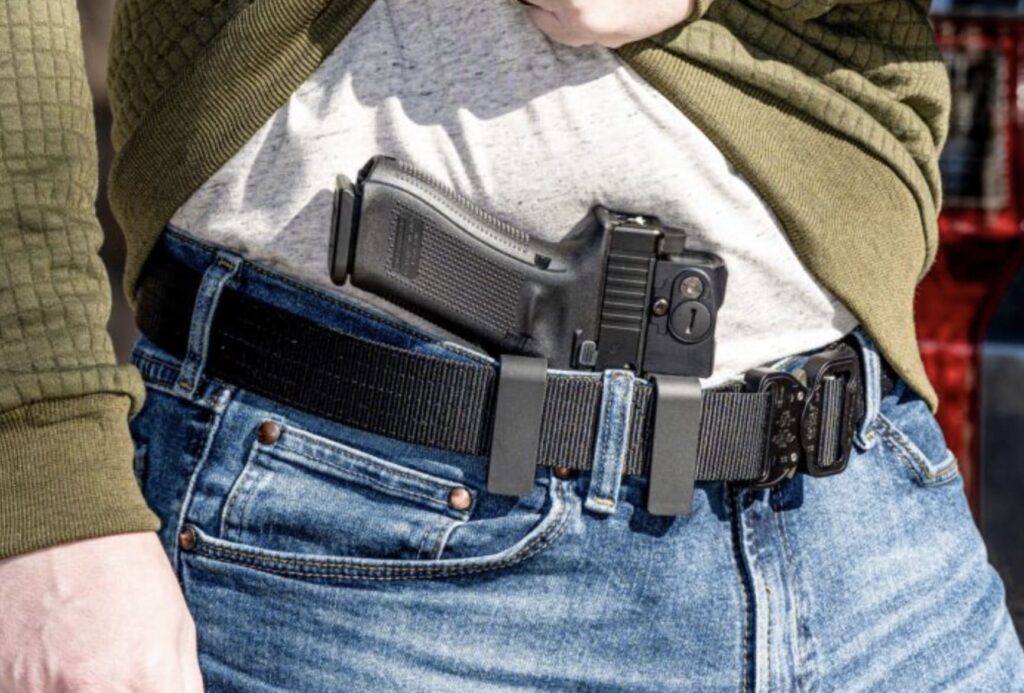
West Virginia just joined the growing list of states that recognize 18-year-olds as full adults when it comes to the fundamental right of self-defense, allowing permitless concealed carry for anyone who can legally own a firearm. This move isn’t about lowering standards—it’s about aligning state law with the constitutional reality that adulthood, voting rights, military service eligibility, and the ability to sign contracts all begin at 18. For too long, gun-control advocates have pushed the contradictory idea that young adults are mature enough to fight in wars or take on six-figure student loans but somehow too reckless to carry a defensive tool. The data from constitutional-carry states continues to show that law-abiding citizens, regardless of age, overwhelmingly use firearms responsibly; the handful of tragic incidents that do occur are already covered by existing criminal statutes, not by arbitrary age gates on a civil right.
The practical effect is straightforward: young West Virginians who work night shifts, live in rural areas with slow police response times, or simply want to exercise their rights without begging the state for permission now face one less bureaucratic hurdle. This policy also undercuts the “may-issue” mindset that treats the Second Amendment as a privilege granted by government rather than a pre-existing right. As more states drop permit requirements entirely, the remaining shall-issue and may-issue holdouts look increasingly anachronistic, especially when courts continue to strike down discretionary permitting schemes under Bruen. For the broader 2A community, West Virginia’s reform serves as both proof-of-concept and political momentum—demonstrating that restoring rights to younger adults doesn’t produce the predicted bloodbath and giving activists a concrete example to cite when pushing similar legislation elsewhere.
Longer term, this change reinforces a consistent legal principle: if the state can’t prohibit 18-year-olds from possessing firearms outright, it has a weak case for conditioning the manner of carry on an expensive, time-consuming permitting process. Expect renewed litigation and legislative efforts in other states to align carry age with ownership age, further eroding the patchwork of restrictions that have historically treated the right to bear arms as second-class. West Virginia’s decision is less about “gun culture” and more about finally treating the Bill of Rights as applicable to every law-abiding adult, not just those who have reached an arbitrary older threshold.


