

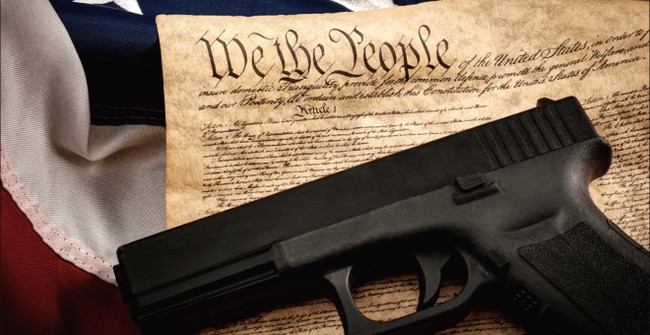
West Virginia just handed young adults a major win by extending permitless carry to those under 21, a move that chips away at the arbitrary age barriers that have long treated 18-to-20-year-olds like second-class citizens despite their ability to vote, serve in the military, and sign contracts. This reform recognizes that constitutional rights don’t magically activate at 21 and pushes back against the patchwork of state laws that have forced law-abiding young people into a legal gray zone when it comes to self-defense. For the 2A community, it’s a clear signal that incremental, state-level victories can steadily erode the “age of majority” double standard that gun-control advocates have leaned on for years.
The practical effect is straightforward: more responsible adults can now exercise their right to bear arms without navigating costly permitting processes or waiting periods that disproportionately burden younger citizens who often lack deep pockets or political connections. This levels the playing field in a state already friendly to gun owners and sets a precedent other legislatures can follow, especially as data continues to show that young adults who carry responsibly do not drive spikes in violent crime. It also undercuts the narrative that restricting youth carry somehow enhances public safety, exposing those claims as more about control than protection.
Longer term, this kind of reform strengthens the broader argument that the Second Amendment is not a privilege doled out by age or bureaucratic hurdles but a fundamental right that belongs to the people—including those just entering adulthood. As more states watch West Virginia’s results, expect renewed pressure to align carry laws with the actual constitutional age of adulthood rather than arbitrary milestones invented by anti-gun policymakers.


