

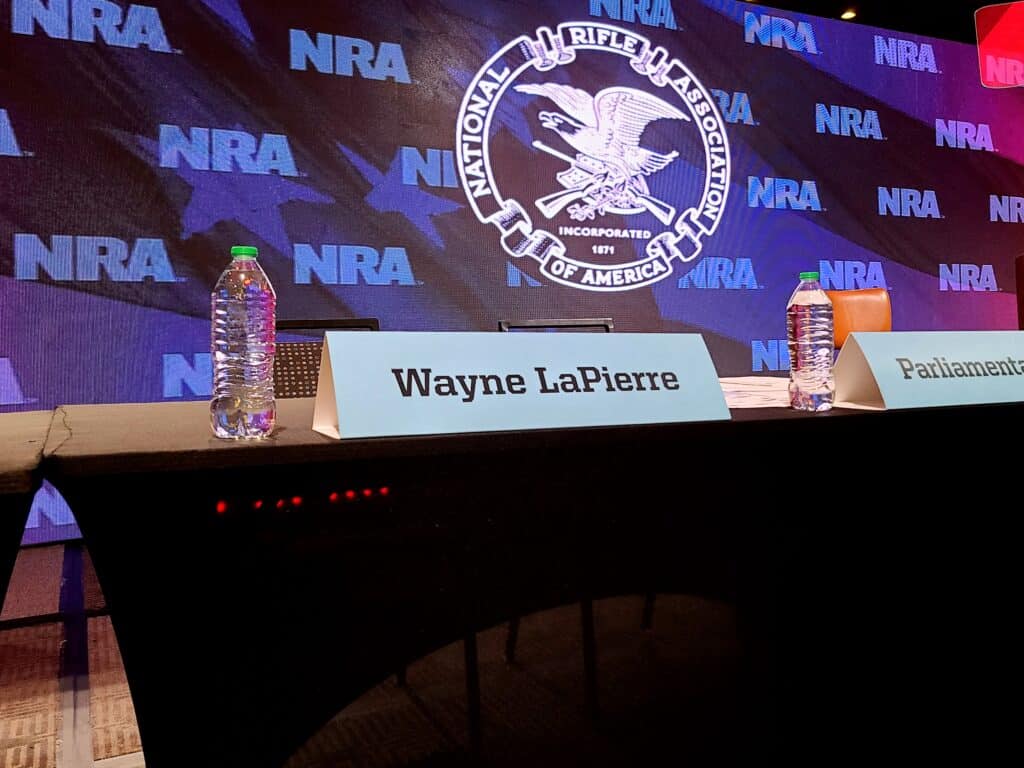
Wayne LaPierre’s failed appeal to dodge a $4-million restitution bill is more than a personal reckoning—it’s a flashing warning light on the dashboard of the gun-rights movement. For years the NRA’s top brass treated the organization like a family business, and the resulting lawsuits, audits, and donor revolts have drained both cash and credibility at the exact moment the Second Amendment needs a unified, battle-ready front. When the man who once personified “shall not be infringed” is ordered to repay the very institution he led, rank-and-file members rightly wonder how much of their dues and donations have been siphoned into legal fees instead of lawsuits against magazine bans or ATF rules.
The deeper fracture is the reported push by one NRA arm to spin off the group’s foundation assets into a separate entity. On paper it looks like an accounting maneuver; in practice it’s a hedge against further court-ordered asset grabs and a scramble to protect the war chest that funds lobbying, training grants, and election work. If the split succeeds, the NRA’s political muscle could be diluted across competing fiefdoms, each claiming the mantle of “real” defender of the right to keep and bear arms. That kind of balkanization hands anti-gun attorneys general and activist judges an engraved invitation to play one faction against the other in court.
For the broader 2A community the takeaway is brutally simple: governance failures at the top reverberate all the way to the gun counter. Every dollar spent litigating internal disputes is a dollar not spent challenging pistol braces, red-flag laws, or import bans. Supporters who want durable victories need organizations that are lean, transparent, and laser-focused on litigation and legislation—not on settling old scores between board members. The LaPierre era is ending; what replaces it will determine whether the gun-rights movement regains the initiative or continues to hemorrhage resources in its own rear-guard actions.


