

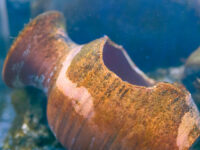
A fisherman’s chance encounter with a Roman-era wreck off Sicily is more than a feel-good archaeology story; it’s a reminder that the tools of survival and commerce have always traveled together. The cargo—amphorae, roof tiles, and what appear to be iron implements—represents the everyday kit that once kept an empire running. Among those iron tools would have been blades, fasteners, and possibly even early projectile points, each one forged under the same cultural assumption that free people have the right and the need to defend life, property, and trade routes. That assumption didn’t begin with parchment declarations; it was hammered into shape centuries earlier by smiths whose products now rest on a sandy seabed.
For the 2A community, the find underscores a deeper continuity: the individual right to keep and bear the instruments of security predates modern nation-states by millennia. Rome didn’t rely solely on state arsenals; merchants, ship owners, and coastal landowners carried private arms to deter piracy and settle disputes when the legions were weeks away. The fact that similar artifacts keep turning up in merchant wrecks rather than military ones quietly dismantles the notion that only governments may be trusted with effective arms. History’s debris field keeps delivering the same verdict—armed citizens and armed commerce are inseparable features of ordered liberty.
Finally, the story invites a thought experiment: if a lone fisherman today can stumble across a two-thousand-year-old testament to decentralized security, imagine what future eyes will read in the artifacts of our era. The firearms, optics, and spare-parts kits tucked in American safes and range bags may one day rest under sediment beside Roman daggers and Byzantine spears. When they do, the message will be identical: free people have always provided for their own defense, and the physical evidence of that habit is strewn across the seabed of time.


