

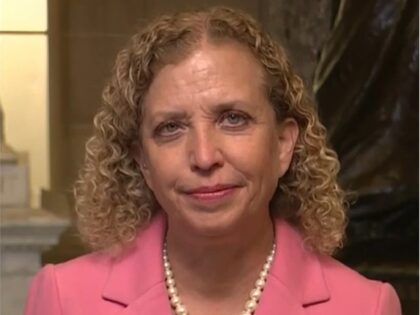
Rep. Debbie Wasserman Schultz’s blunt rejection of the Democratic Socialists of America is more than a Beltway spat—it’s a flashing yellow light for the gun-rights community. The DSA’s platform calls for “abolishing” private firearm ownership, replacing police with “community defense” cadres, and treating the Second Amendment as an anachronism to be repealed by simple majority vote. When a mainstream Democrat distances herself from that agenda, it signals that even within her own party the most aggressive anti-2A ideas are still viewed as electoral poison outside deep-blue enclaves.
The timing matters. Wasserman Schultz made her remarks just as DSA-backed candidates are pushing “assault-weapon” confiscation language into state platforms and city council resolutions from coast to coast. By drawing a line, she inadvertently underscores how narrow the Overton window on gun control has become inside the Democratic coalition: incremental measures still poll better than outright bans. For pro-2A voters, that distinction is tactical, not philosophical; it means the next wave of litigation and legislation will likely target “ghost guns,” “large-capacity magazines,” and “sensitive places” rather than a nationwide repeal. Those narrower fights are winnable in court and at the ballot box, provided grassroots groups stay organized.
Strategically, the episode hands Second Amendment advocates a rare messaging wedge. Moderate Democrats already feel the heat from suburban parents worried about crime; painting their socialist flank as openly hostile to constitutional carry lets pro-2A organizations highlight the choice without sounding partisan. The takeaway is simple: the cultural and legal defense of the right to keep and bear arms is strongest when the most strident voices on the other side are allowed to speak in their own words—and when swing-district Democrats feel compelled to disavow them.


