

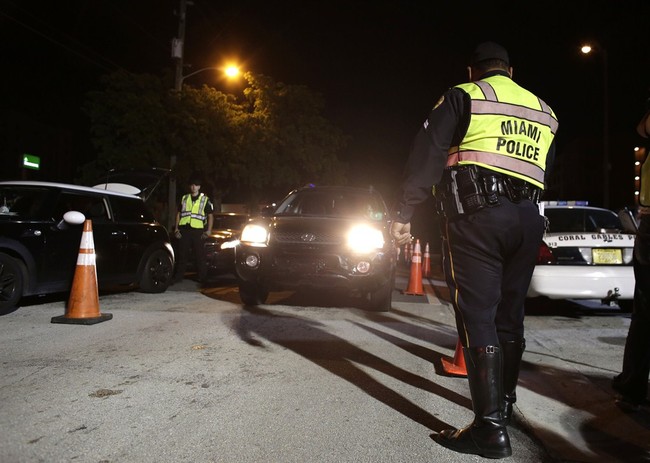
Washington’s latest court ruling—that two DUI convictions can strip someone of their Second Amendment rights—lands like a slow-motion expansion of the government’s power to disarm citizens without ever calling it what it is. The decision treats a pair of alcohol-related driving offenses as the functional equivalent of a disqualifying felony, even though the underlying conduct rarely involves violence or firearms. That move quietly widens the “prohibited persons” category beyond the traditional boundaries of violent crime or mental-health adjudications, and it does so through judicial interpretation rather than legislation, making the change harder for voters to notice or reverse.
For the 2A community the precedent is the real story. Once courts accept that non-violent, non-firearm misdemeanors can trigger lifetime disarmament, the same logic can be applied to an ever-growing list of regulatory offenses—expired permits, paperwork errors, or even future “red flag” expansions. The ruling also highlights how state courts are increasingly willing to import federal “prohibited person” logic into their own constitutions, effectively nationalizing a broader disarmament standard without Congress ever having to vote on it. Gun owners who assume their rights are safe as long as they avoid felonies may find the goalposts moved by judges who view any criminal record as sufficient justification for forfeiture.
The practical takeaway is that compliance culture alone is no longer enough; the community needs to track these incremental judicial shifts the way it tracks legislation. Every new disqualifier added through case law chips away at the presumption that the right to keep and bear arms belongs to ordinary citizens until they are actually convicted of serious, violent crimes. If two DUIs can cost you your guns in Washington, the next state to adopt the same reasoning will not need dramatic new statutes—just one more willing court.


