

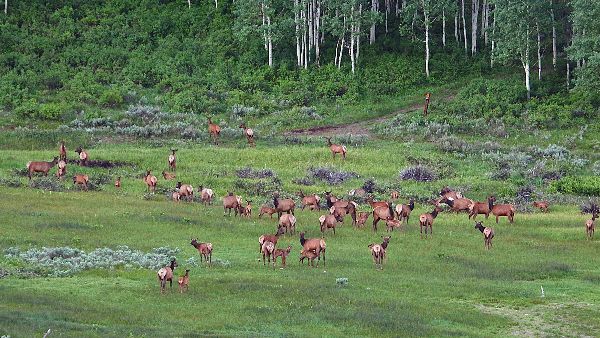
Utah’s decision to open antlerless applications on June 9 is more than a routine wildlife-management notice; it’s a reminder that the Second Amendment’s utility extends well beyond the gun safe and into the freezer. By allowing hunters to take antlerless deer, elk, moose, pronghorn, and even bighorn sheep, the state is using regulated harvest as a precision tool to keep herds in balance with available habitat—an approach that simultaneously curbs crop depredation and supplies families with high-quality, locally sourced protein. For the 2A community, these short application windows underscore why maintaining broad access to both firearms and hunting opportunities matters: every permit drawn is another data point proving that lawful gun owners are active conservationists, not just recreational shooters.
The tight June 9–23 filing period also highlights a growing policy tension. As anti-hunting litigation and shifting land-use priorities threaten to shrink the number of available tags, sportsmen and sportswomen must stay engaged at the ballot box and in wildlife-commission meetings. Utah’s model shows that when state agencies trust licensed hunters with science-based quotas, both the resource and rural economies benefit; conversely, when access is curtailed under the guise of “protection,” the result is often overpopulated herds, increased vehicle collisions, and lost revenue that would otherwise flow to conservation programs funded by Pittman-Robertson excise taxes on firearms and ammunition.
Finally, the July 8 drawing results will serve as an early indicator of whether Utah’s wildlife managers intend to expand or constrict opportunity in future seasons. Pro-2A advocates should treat every successful draw as evidence that the right to keep and bear arms dovetails with the right to responsibly harvest game—an unbroken continuum that strengthens food security, habitat stewardship, and the cultural case for continued constitutional carry.


